


Key Highlights
- Bitcoin trades in the $67,000–$68,000 range with strong support from institutional ETF investors and national sovereign funds
- Ethereum dominates the DeFi landscape and real-world asset tokenization sector while Layer-2 networks reduce transaction costs
- Solana attracts rapid user adoption through minimal fees and exceptional transaction processing speed
- Chainlink connects blockchain networks to external data sources while forming partnerships with legacy finance institutions
- Bittensor operates as an emerging decentralized artificial intelligence platform rewarding network participants with native tokens
The cryptocurrency market maintains a valuation near $2.5 trillion as we enter early 2026. Strategic investors increasingly prioritize fundamental value over speculative volatility, concentrating capital on protocols with demonstrated utility.
We examine five digital assets that market analysts identify as possessing robust foundations entering the upcoming market phase.
Bitcoin: Institutional-Grade Digital Scarcity
Bitcoin maintains a permanently capped supply of 21 million units. This mathematical scarcity establishes a unique value proposition unmatched by traditional assets.
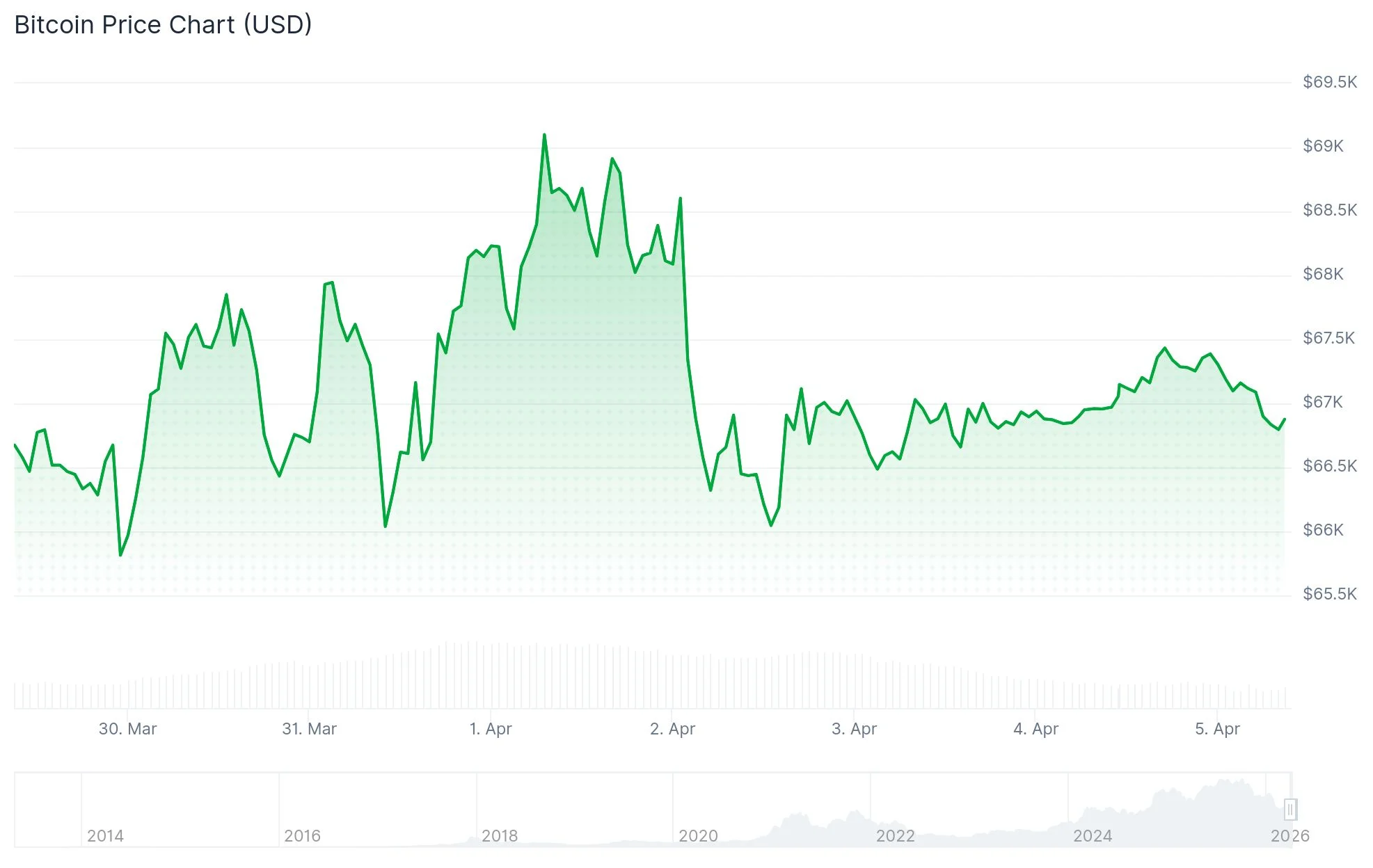
Current market pricing positions the asset between $67,000 and $68,000. Exchange-traded fund vehicles have accumulated substantial positions throughout the preceding twelve months.
National investment authorities have integrated Bitcoin into reserve allocations. Corporate balance sheet adoption following MicroStrategy’s blueprint has accelerated across public companies.
Institutional capital increasingly categorizes Bitcoin as a macroeconomic asset class comparable to precious metals. The network continues drawing patient capital from entities seeking protection against systemic financial risks.
Ethereum: Dominant Smart Contract Ecosystem
Ethereum supports the overwhelming majority of decentralized finance protocols. The platform additionally enables stablecoin infrastructure, non-fungible tokens, and expanding tokenized traditional asset markets.
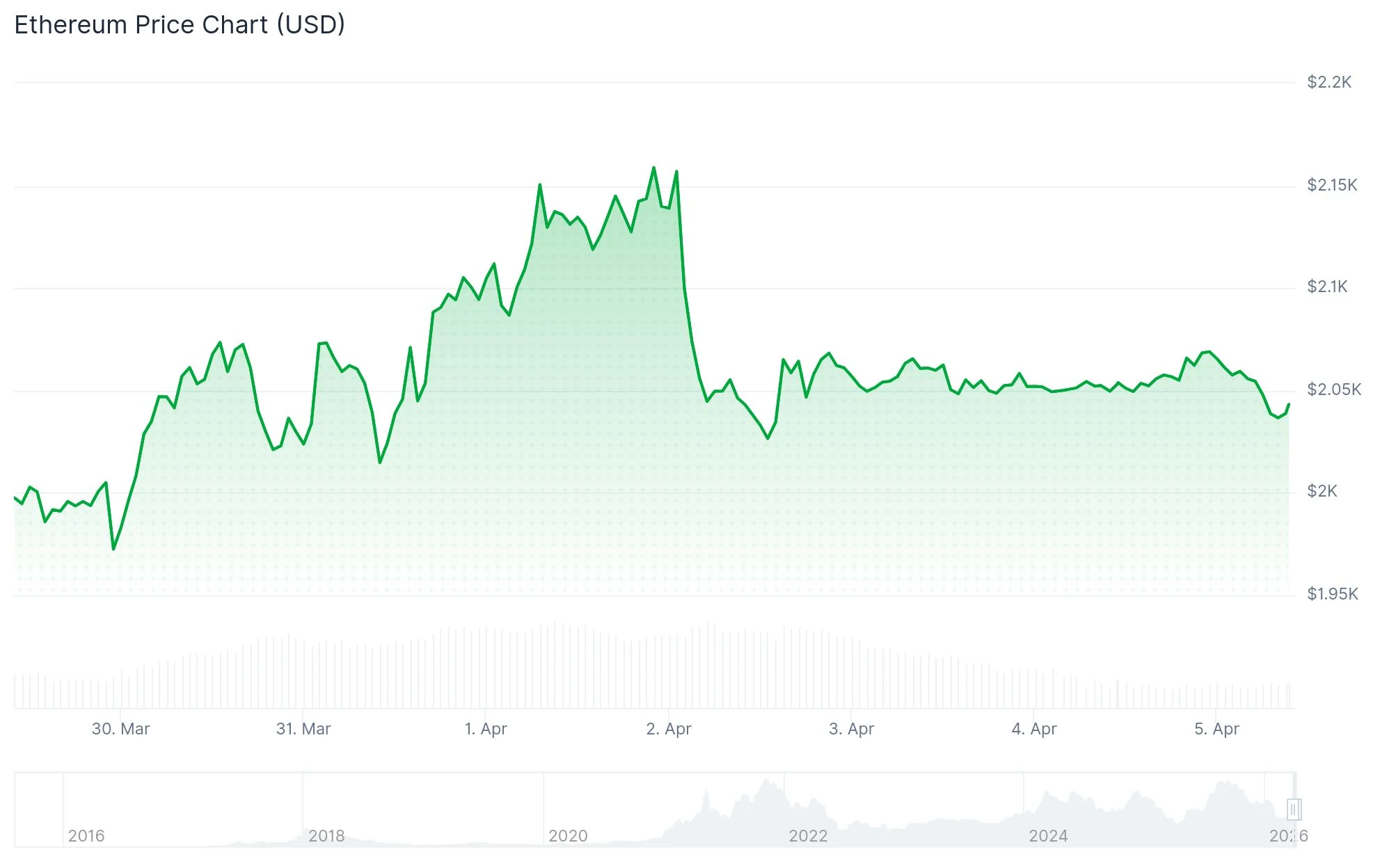
Second-layer scaling solutions have dramatically reduced transaction expenses while increasing network capacity. Combined with proof-of-stake rewards and the fee-burning mechanism introduced through EIP-1559, Ethereum exhibits deflationary supply dynamics.
Ether-based ETF products continue attracting institutional allocations. Development activity across the Ethereum ecosystem exceeds all competing smart contract platforms.
Solana: Performance-Oriented Blockchain Infrastructure
Solana processes thousands of simultaneous transactions at fractional costs. The network captured users and builders priced out of Ethereum during peak congestion events.
Consumer-facing applications, viral token launches, and mobile cryptocurrency platforms have accelerated network expansion. Technical stability has strengthened following recent protocol enhancements.
Solana’s total network value remains significantly below Ethereum’s position. Market observers suggest this valuation differential represents appreciation potential if institutional product offerings broaden.
Chainlink: Bridge Between Blockchain and External Systems
Chainlink operates as the dominant oracle infrastructure provider. The protocol enables smart contracts to access external information including financial data feeds and enterprise system integrations.
Its Cross-Chain Interoperability Protocol functions across numerous blockchain ecosystems. Chainlink has established commercial relationships with conventional financial entities investigating distributed ledger technology.
As tokenization of physical assets expands, requirement for dependable external data connectivity should increase proportionally.
Bittensor: Distributed Artificial Intelligence Network
Bittensor administers a decentralized exchange for computational AI resources and algorithmic models. Network participants receive native token compensation for contributing machine learning infrastructure.
This project carries elevated risk compared to the four previously discussed assets. Both developer engagement and market attention have intensified throughout the past year.
Bittensor occupies the decentralized artificial intelligence sector, which has attracted scrutiny as policymakers examine centralized AI corporate structures.
Bitcoin and Ethereum constitute the dominant allocation within institutional portfolios through ETF products accessible in 2026.
