

Key Highlights
- Shares of JetBlue surged more than 15% to $4.88 following a Semafor report about potential acquisition discussions
- The carrier has retained financial advisers to assess the feasibility of being acquired by a competitor such as United Airlines, Alaska Air, or Southwest
- JetBlue has conducted preliminary analysis on how antitrust authorities might view various merger combinations
- As of Tuesday’s market close, the airline’s market capitalization stood at approximately $1.55 billion
- JetBlue maintains its commitment to the JetForward transformation plan, aiming to generate $850–$950 million in additional operating profit by 2027
JetBlue Airways (JBLU) stock was trading at $4.88, up over 15%, following the report.
JetBlue Airways Corporation, JBLU
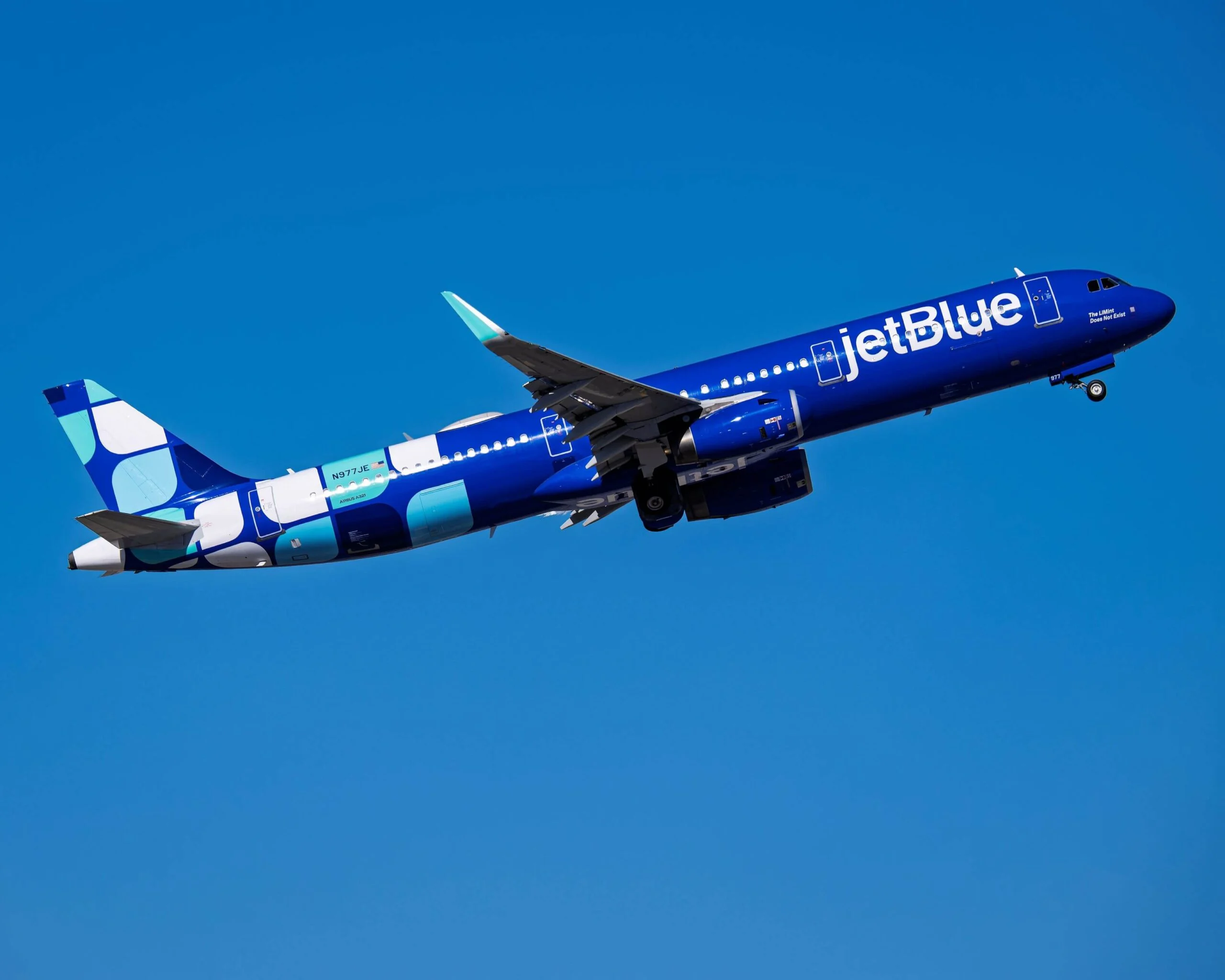
Shares of JetBlue Airways (JBLU) climbed more than 15% during Wednesday trading after reports emerged that the airline is evaluating a possible sale to competing carriers.
According to Semafor, which cited sources with knowledge of the situation, JetBlue has enlisted financial advisers to examine whether a sale might be feasible. The airline has not publicly acknowledged these reports.
The stock climbed to $4.88, representing a significant uptick for a carrier that has faced ongoing challenges in recent years. Meanwhile, the prospective acquirers — United Airlines (UAL), Alaska Air (ALK), and Southwest Airlines (LUV) — saw minimal stock movement on the news, with slight gains that were already underway prior to the report’s publication.
JetBlue has reportedly conducted preliminary assessments of how federal antitrust regulators would likely evaluate each potential transaction. This type of advance regulatory planning indicates the airline is taking a strategic approach, though no transaction appears close to fruition.
Semafor reports that JetBlue remains in early exploratory phases and may ultimately choose not to initiate formal negotiations with any of the mentioned airlines. No formal expressions of interest or structured discussions have been publicly disclosed.
An Airline Facing Headwinds
The financial data paints a clear picture. JetBlue has failed to record an annual net profit since 2019. The airline has experienced declining revenue for two consecutive fiscal years. Its stock price has plummeted more than 75% from its five-year peak of $21.25, reached on April 6, 2021.
With a market capitalization hovering around $1.55 billion as of Tuesday’s trading close, JetBlue represents a significantly smaller enterprise than it once was — and considerably smaller than the carriers that might potentially acquire it.
The airline has previously pursued growth through strategic alliances and industry consolidation. Last year, JetBlue forged an agreement with United Airlines enabling passengers to make bookings through either carrier’s platform, accumulate and use loyalty rewards across both programs, and granting United access to JetBlue’s JFK Airport slots beginning in 2027.
Prior to that partnership, JetBlue pursued a $3.8 billion acquisition of Spirit Airlines. A federal court blocked that transaction in January 2024, determining it would “substantially lessen competition.” Spirit subsequently entered bankruptcy proceedings in August of the same year.
JetBlue’s Official Response
JetBlue has refused to provide direct commentary on the sale speculation. Instead, the company issued a statement highlighting its current JetForward transformation initiative — a comprehensive plan designed to reduce expenses, enhance route networks, and elevate passenger experience.
Earlier this month, the airline affirmed that JetForward remains positioned to produce $850 to $950 million in additional operating profit by 2027.
“We’re confident JetForward is the right strategy to restore profitability and create value for our shareholders,” the company said.
United Airlines and Southwest Airlines have both declined to provide statements on the matter. Alaska Air has not responded to inquiries seeking comment.
Reuters indicated it was unable to independently verify the information contained in the Semafor report.
