

Key Takeaways
- AMC shares increased approximately 6% to about $1.00 on March 30, fueled by exceptional box office results from “Project Hail Mary.”
- The film marked AMC’s strongest opening weekend in 2026, producing the theater chain’s second-best admissions revenue weekend both domestically and internationally.
- Daily trading activity remained exceptionally low at roughly 4.1 million shares, representing an 88% decline from the stock’s typical daily volume of 35.7 million.
- Analyst consensus leans bearish with a “Reduce” rating and average price target of $2.32 — significantly above current trading levels.
- Year-to-date, AMC has fallen 38.2% and currently trades 75.2% beneath its 52-week peak of $4.01 from May 2025.
AMC (AMC) is currently exchanging hands at approximately $1.00 per share.
AMC Entertainment Holdings, Inc., AMC
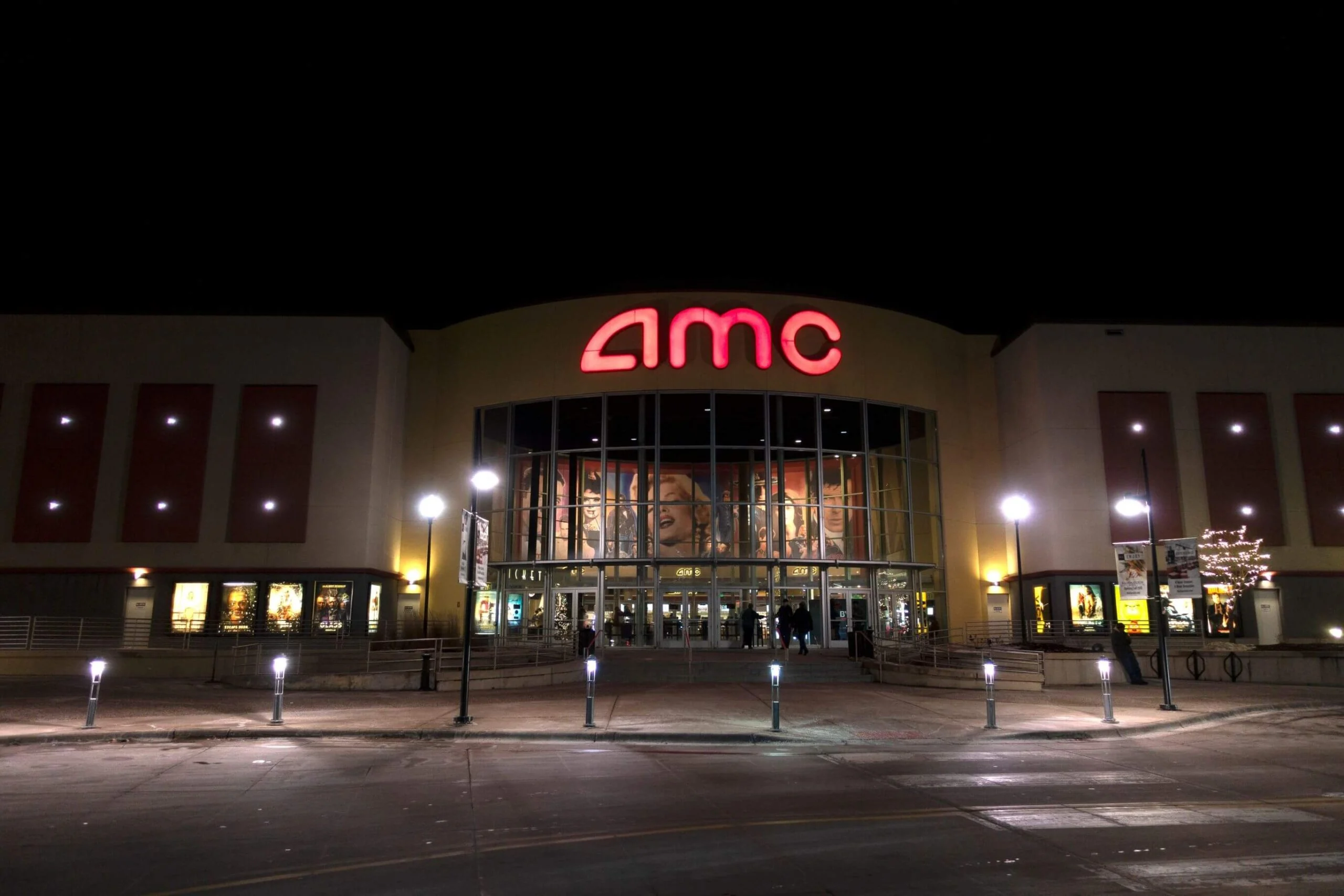
Shares of AMC Entertainment experienced a roughly 6% increase on March 30, 2026, reaching an intraday peak of $1.02 before closing near the $1.00 mark. The upward movement followed the theater chain’s announcement that “Project Hail Mary” recorded its most successful opening weekend of the year across AMC venues.
The movie’s impressive box office results helped drive AMC to its second-strongest weekend for ticket sales revenue in 2026, measured both within the United States and on a worldwide basis. This theatrical performance provided shareholders with a temporary catalyst for optimism.
However, the price increase occurred amid remarkably sparse trading activity. Approximately 4.1 million shares exchanged hands throughout the session — representing an 88% reduction compared to AMC’s typical daily trading volume of roughly 35.7 million shares. Limited trading volume can exaggerate price fluctuations in both directions, suggesting the 6% gain may reflect market liquidity constraints rather than widespread investor enthusiasm.
AMC has experienced 25 trading sessions with movements exceeding 5% during the past year, indicating this type of volatility has become commonplace for the equity. Just three sessions earlier, AMC declined 4% following the release of the final March University of Michigan consumer sentiment index, which dropped to 55.3, marking its weakest reading of the year.
Wall Street Maintains Cautious Stance
Analysts remain skeptical about AMC’s prospects. According to MarketBeat, the stock holds a consensus “Reduce” rating, accompanied by an average price target of $2.32 — representing more than double the current share price. While this gap might appear encouraging, it primarily highlights the extent of the stock’s decline rather than strong bullish conviction.
Citigroup reduced its price objective from $1.30 to $1.10 in February while maintaining a “sell” recommendation. Roth MKM lowered its target from $2.00 to $1.50, assigning a “neutral” stance. Macquarie decreased its forecast from $3.00 to $2.00, also with a neutral rating. Weiss Ratings upheld a “sell” recommendation in January. Among seven analysts tracking the stock, just one maintains a buy rating.
Technical indicators show AMC’s 50-day moving average at $1.24, while the 200-day moving average stands at $1.96 — both considerably higher than current pricing, confirming the persistent downward trajectory.
Financial Results Show Continued Challenges
AMC continues to operate at a loss. The company’s latest quarterly earnings revealed a loss of $0.24 per share against revenue of $1.29 billion. Wall Street projects full-year earnings per share of -$1.38.
The stock maintains a market capitalization of approximately $527 million with a P/E ratio of -0.76, indicative of sustained losses.
Since the beginning of 2026, AMC has declined 38.2%. At its current $1.00 price point, the stock trades 75.2% below its 52-week high of $4.01 established in May 2025. Investors who allocated $1,000 to AMC five years ago would retain approximately $10.90 in value today.
Institutional Investment Trends
Notwithstanding challenging fundamentals, several major institutional investors have expanded their holdings. Vanguard increased its position by 13.1% during Q3 2024, currently controlling more than 50 million shares. UBS substantially boosted its stake by 4,538%, now holding over 23 million shares in the same timeframe. Geode Capital Management, Marshall Wace, and State Street similarly grew their positions. Institutional ownership currently represents approximately 28.8% of outstanding shares.
The “Project Hail Mary” opening weekend represented AMC’s largest premiere of 2026 and its second-strongest performance for ticket sales revenue on a global scale.
