

Key Takeaways
- Up to 40 aircraft (~5% of Lufthansa’s fleet) could be grounded due to fuel supply disruptions from the Middle East
- Closure of the Strait of Hormuz has severely impacted global jet fuel availability, with Europe dependent on ~50% from the Persian Gulf
- Morgan Stanley reduced DLAKY rating from “overweight” to “equal-weight,” cutting 2026 EBITDA projection by 17%
- Fuel cost pressures estimated at €1.6bn, driving an ~€800m reduction in EBITDA expectations
- Capacity expansion revised down from 4% to 2.5%, with load factors projected to decline ~2% year-over-year from Q3 2026
Lufthansa faces mounting pressure this week as both market analysts and energy supply challenges converge. The German airline has emerged as one of Europe’s most vulnerable carriers amid the ongoing energy market volatility, and financial projections are beginning to show the strain.
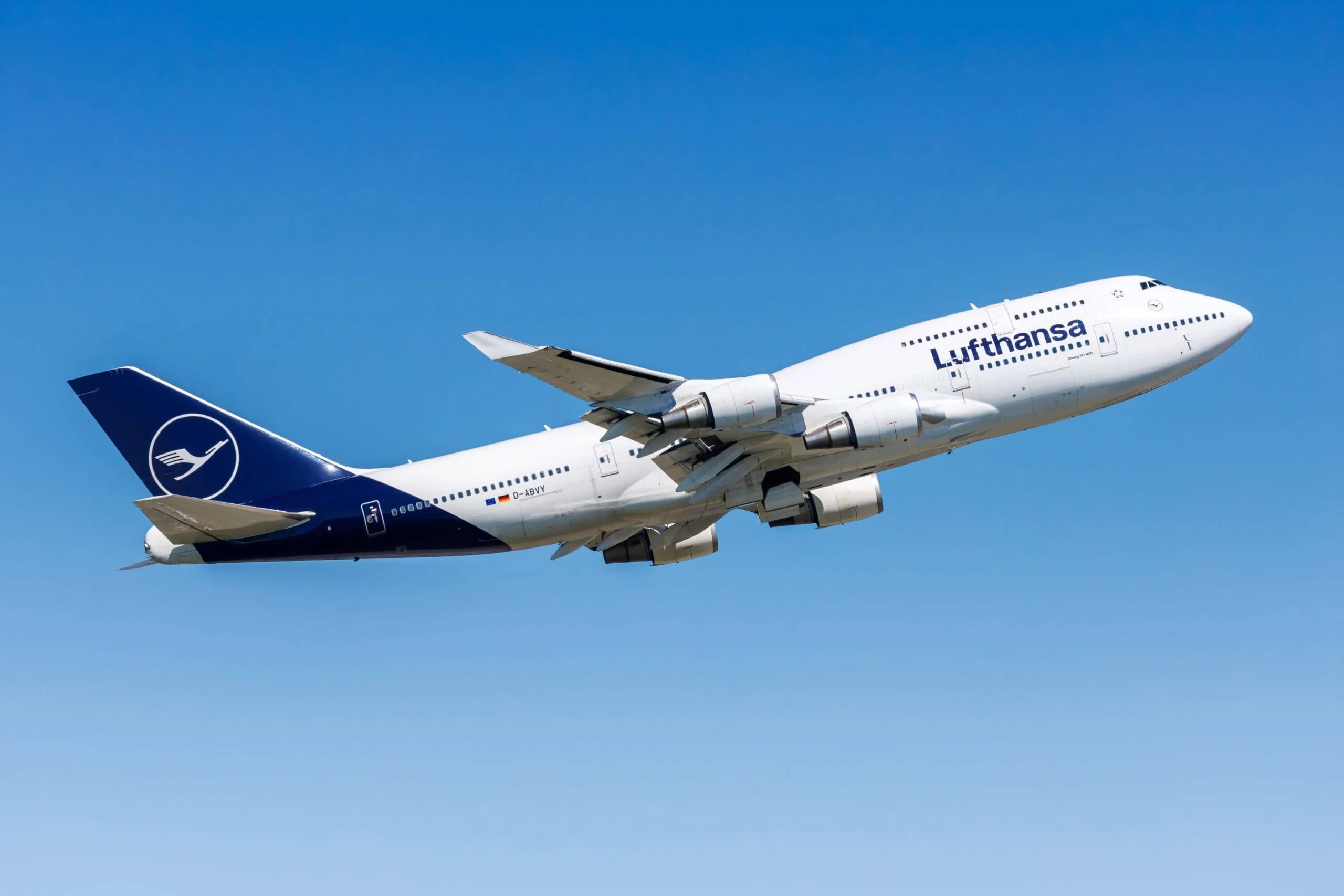
CEO Carsten Spohr has instructed operational teams to prepare contingency strategies for varying levels of supply disruption. The most tangible measure under consideration involves grounding approximately 40 aircraft, representing roughly 5% of the airline’s total fleet. Rather than adopting a wait-and-see approach, management seems focused on proactive expense management.
The core issue stems from the Strait of Hormuz effectively shutting down, a vital corridor for international jet fuel distribution. Asian refineries have already begun scaling back production in response, leaving Europe particularly vulnerable since approximately 50% of the EU and UK jet fuel supply originates from Persian Gulf refineries.
This isn’t merely a pricing challenge. The possibility of actual fuel scarcity introduces operational uncertainty that’s nearly impossible to mitigate through traditional hedging strategies, particularly for a carrier already lagging behind competitors in fuel hedging effectiveness.
Analyst Slashes Rating and Profit Projections
Morgan Stanley adjusted its stance on Lufthansa to “equal-weight” from “overweight” this Wednesday, pointing to deteriorating earnings prospects and inferior fuel hedging positions compared to rivals such as IAG and Air France-KLM.
The investment firm reduced its 2026 EBITDA forecast for Lufthansa by 17% — substantially more severe than the 6% reduction applied to IAG or the 10% cut for Air France-KLM. This disparity primarily reflects hedging effectiveness. According to Morgan Stanley, Lufthansa’s fuel hedging strategy “remains less attractive vs. peers.”
In absolute figures, the bank projects a €1.6bn fuel cost impact throughout the year, accounting for approximately €800m of the reduced FY26 EBITDA compared to previous estimates.
Capacity expansion projections were also scaled back from 4% to 2.5%, with load factors anticipated to drop approximately 2% year-over-year starting Q3 2026.
Fare Increases Provide Limited Relief
On the revenue front, Morgan Stanley anticipates Lufthansa will implement higher ticket prices. Passenger yields are forecast to increase +7% in Q2, +11% in Q3, and +11% in Q4 of 2026.
However, these revenue improvements won’t completely counterbalance the fuel cost surge. While legacy carriers typically enjoy stronger pricing flexibility than budget airlines, Lufthansa still faces a more challenging fuel cost structure than its European counterparts.
Notably, Morgan Stanley observed that Lufthansa’s year-to-date decline of approximately 9% is considerably less than the ~16% drop experienced by IAG and Air France-KLM, characterizing this difference as “a disconnect we view as unjustified.”
The stock had surged as much as 8.1% during early Frankfurt trading Tuesday following news of the contingency planning — after declining roughly 16% year-to-date through that point. Nevertheless, the downgrade and fuel supply concerns continue to weigh on share performance.
