

Key Takeaways
- President Trump announced a two-week ceasefire agreement between the U.S. and Iran on Tuesday evening
- Brent crude prices plummeted by up to 16%, reaching approximately $94.30 per barrel
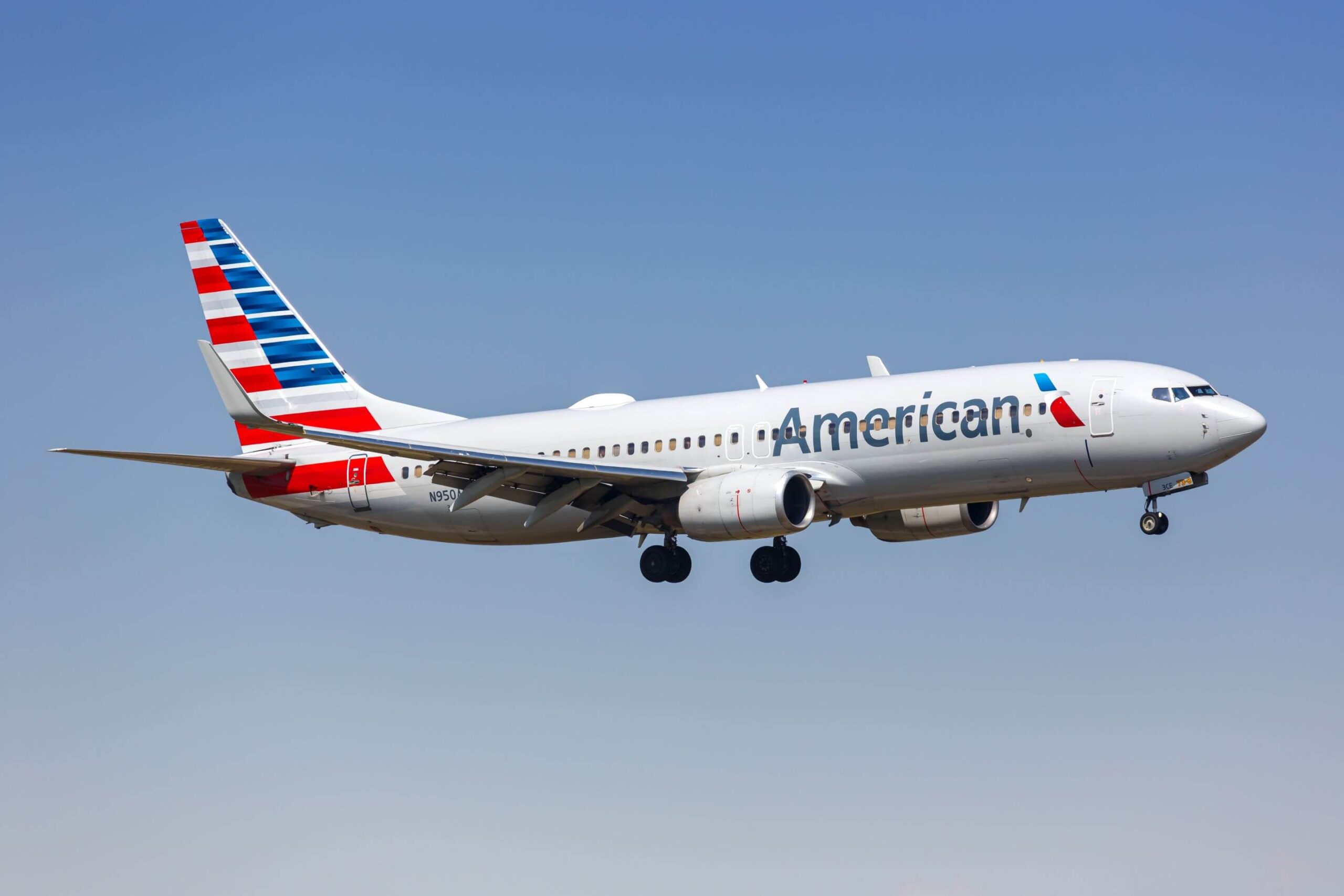
- Major carriers including American Airlines, United, Delta, Southwest, and JetBlue surged between 4% and 9% during premarket hours
- The critical Strait of Hormuz, responsible for transporting 20% of the world’s fuel supply, will reopen
- American carriers faced projected additional jet fuel expenses of $11 billion this year from elevated oil costs
Major airline stocks experienced significant premarket rallies Wednesday morning following news of a ceasefire agreement between the United States and Iran, alleviating concerns about potential oil supply chain disruptions.
The announcement came from President Donald Trump at 6:32 p.m. Eastern Time on Tuesday. According to the agreement, the United States would halt attacks targeting Iranian infrastructure for a two-week period, contingent upon Iran’s commitment to fully and immediately reopen the strategically vital Strait of Hormuz.
BREAKING: President Trump says the US will be "helping with the traffic buildup" in the Strait of Hormuz, Iran can "start reconstruction," and the US will be "loading up with supplies and just 'hanging around' in order to make sure everything goes well."
"This could be the… pic.twitter.com/T50afdzwDk
— The Kobeissi Letter (@KobeissiLetter) April 8, 2026
In a Truth Social post, Trump revealed he had received a comprehensive 10-point proposal from Iranian officials, characterizing it as a “workable basis” for ongoing negotiations. He indicated that the parties had reached consensus on “almost all” disputed issues.
Iran’s Foreign Affairs Minister Seyed Abbas Araghchi validated the agreement on X, stating that Iran would suspend “defensive operations” in the strait contingent upon the cessation of attacks against Iranian territory.
The Strait of Hormuz represents one of the globe’s most strategically significant oil transit points. Approximately 20% of worldwide fuel supplies traverse this narrow waterway, meaning any closure directly impacts airline operational expenses.
Following the ceasefire announcement, Brent crude oil prices tumbled as much as 16%, stabilizing around $94.30 per barrel. This significant decline offered immediate financial relief to airlines, which had been struggling with escalating fuel expenditures since mid-February.
Carriers Confronted Mounting Fuel Expenses
American airlines were facing projected additional jet fuel costs totaling $11 billion in 2025 resulting from the oil price surge. United Airlines CEO Scott Kirby had previously cautioned that increasing fuel expenses could deliver a “meaningful” blow to first-quarter financial performance.
United Airlines Holdings, Inc., UAL
Delta Air Lines had recently implemented its first checked baggage fee increase in two years as a strategy to counterbalance rising fuel costs. United Airlines enacted comparable fee adjustments during the same timeframe.
Premarket Stock Performance
American Airlines shares climbed 6.2% during premarket trading. United Airlines stock jumped 8.7%, while Southwest Airlines advanced 8.1%. Delta Air Lines shares increased 6.8%, and JetBlue Airways rose 5.9%.
The U.S. Global Jets ETF advanced 7.7%, demonstrating the widespread rally throughout the aviation sector.
European airline carriers experienced similar momentum. Lufthansa, Wizz Air, Air France-KLM, and easyJet each posted gains exceeding 10% during morning European trading sessions.
Aviation stocks had faced downward pressure throughout mid-February as escalating Middle East tensions drove oil prices upward and sparked concerns regarding industry-wide profit margins.
Delta Air Lines was also set to release its first-quarter earnings results later Wednesday, providing additional focus for investors monitoring the sector’s performance.
