

Key Takeaways
- White House officials have declined Ford’s petition for exemptions from aluminum import duties.
- A pair of fires at Novelis’s Oswego, NY facility knocked out America’s top automotive aluminum supplier through at least mid-2026.
- The automaker reports a $2 billion financial impact from the plant disruption and projects an additional $1 billion in 2026 for imported aluminum costs.
- Import tariffs set at 50% have become embedded in U.S. aluminum pricing through delivery premiums, affecting all buyers regardless of metal origin.
- New tariff calculation methods may increase costs further by applying duties to complete product values instead of raw material content alone.
Ford Motor (NYSE: F) stock experienced downward movement following confirmation that the administration rejected the company’s appeal for exemptions on aluminum import levies.
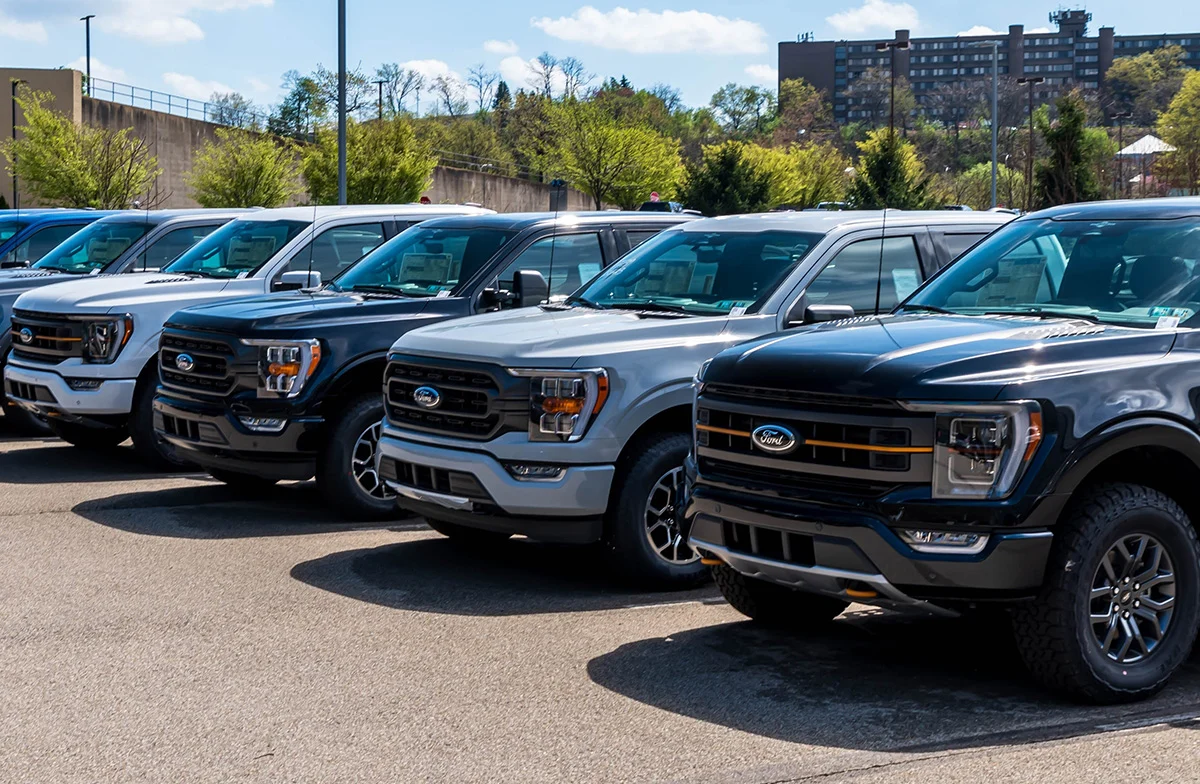
The company’s flagship F-150 pickup relies heavily on aluminum construction, making Ford particularly vulnerable to disruptions in aluminum availability.
Supply Disruption Meets Trade Policy
The Novelis aluminum processing facility in Oswego, New York, experienced two separate fire incidents in the final months of 2025. This operation represents the dominant domestic source of automotive-grade aluminum sheet, providing material to approximately twelve manufacturers including Ford, General Motors, and Stellantis.
The fire damage concentrated in the rolling section where aluminum gets processed into thin sheets suitable for stamping vehicle body components. Operations have remained suspended since the incidents, with complete production restoration not anticipated before June 2026 at the earliest.
NovelIs, operating as part of India-based Hindalco Industries, has attempted to compensate by bringing in aluminum from its European and South Korean facilities. However, these imported materials face a 50% tariff under existing trade regulations, with those expenses ultimately transferred to automotive manufacturers.
According to Ford’s February disclosure, the company has already sustained $2 billion in costs related to the production halt. Projections indicate another $1 billion will be required for imported aluminum purchases throughout 2026.
Administration Maintains Current Position
Ford submitted formal requests to the administration in recent weeks, seeking temporary suspension of aluminum duties until the Oswego facility resumes normal operations. The White House has maintained its existing policy framework without accommodation.
Administration representatives referenced earlier relief measures granted for automotive components, where manufacturers received partial offsets on 25% tariff expenses for certain parts. A White House spokesperson indicated that automakers “have raised supply concerns in light of the Novelis incident” but have not pressed the tariff relief request “in a particularly pronounced way.”
The landscape may become more challenging. Revised tariff regulations fundamentally change how metal duties are calculated — transitioning from assessments based solely on metal content to levies applied against the complete value of finished goods containing aluminum or steel. Under this framework, aggregate tariff expenses are projected to increase for numerous products.
Compounding the issue, the 50% aluminum tariff has already been absorbed into domestic pricing structures through a delivery premium charged to purchasers. This premium currently stands at approximately $2,500 per metric ton, based on S&P Global Energy data.
Industry analysts note: “Even if this fire had never happened, they’d still be paying the delivery premium, which includes the tariff.”
Ford continues engagement with administration officials as part of wider industry discussions regarding tariff consequences. To date, no exemptions have been authorized.
