

Key Takeaways
- Reuters sources indicate Tesla is creating a compact SUV that will be more affordable and smaller than the Model Y.
- The vehicle is expected to measure approximately 4.28 meters in length, with initial manufacturing centered in China and possible future expansion to American and European markets.
- Vehicle deliveries have declined consecutively for two years — dropping from 1.81 million units in 2023 down to 1.64 million in 2025.
- TSLA shares have tumbled roughly 24% so far this year and are heading toward an eighth consecutive week of losses.
- The initiative remains in preliminary stages; manufacturing is not expected to commence in 2025, and Tesla has offered no official confirmation.
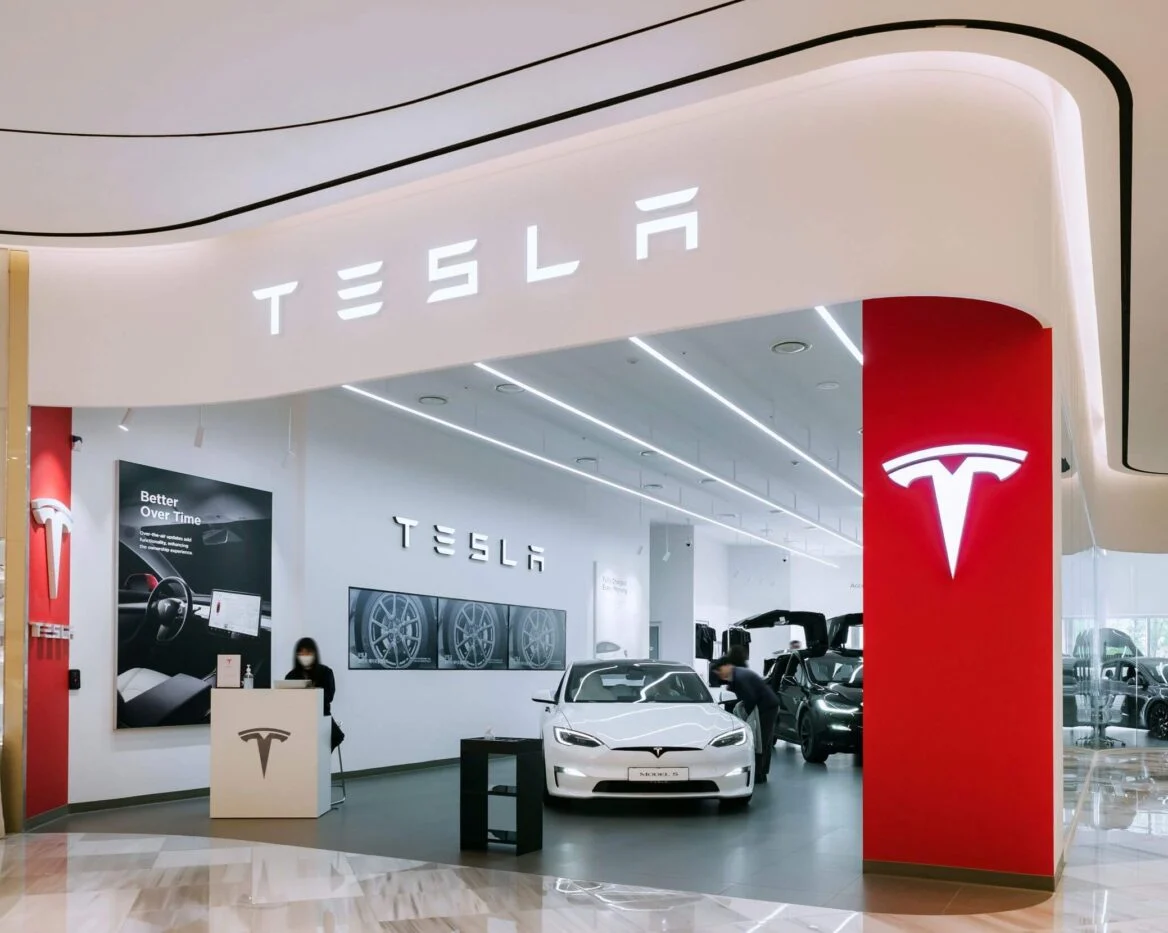
According to recent reports, Tesla is developing a brand-new compact SUV — more affordable and smaller than the Model Y — representing what would be the company’s first completely new passenger car since 2020.
📢 𝐉𝐔𝐒𝐓 𝐈𝐍: $TSLA Tesla Developing Smaller, Cheaper Electric SUV – Reuters
👉 𝐊𝐞𝐲 𝐇𝐢𝐠𝐡𝐥𝐢𝐠𝐡𝐭𝐬:
➤ Tesla working on new 𝐜𝐨𝐦𝐩𝐚𝐜𝐭, low-cost electric SUV.
➤ Vehicle expected to be ~𝟒.𝟐𝟖𝐦 long, smaller than Model Y.
➤ Initial production likely in… pic.twitter.com/sh4w5ct7PM
— Hardik Shah (@AIStockSavvy) April 9, 2026
Four individuals with knowledge of the project informed Reuters that Tesla has begun reaching out to suppliers regarding manufacturing logistics and component specifications. The vehicle would span approximately 4.28 meters (roughly 14 feet), significantly shorter than the Model Y’s 15.7-foot length.
According to three sources, initial manufacturing operations would be headquartered at Tesla’s Shanghai production facility. An additional source indicated the company intends to later extend manufacturing to both American and European locations. Tesla has not issued any response to inquiries about the project.
The forthcoming model would carry a price tag beneath the base-level Model 3, which presently retails for approximately $37,000 domestically and $34,000 in the Chinese market. To achieve this competitive pricing, Tesla intends to utilize a reduced-capacity battery, single-motor configuration, and decrease the vehicle’s overall weight to roughly 1.5 metric tons — approximately 25% less than the Model Y.
This reduced battery capacity would result in diminished driving range compared to the Model Y’s 306–327 mile capability. The upside is a more accessible price point that could attract buyers currently unable to afford existing Tesla models.
Strategic Reversal or Course Correction?
This development follows Musk’s cancellation of the heavily-promoted “Model 2” initiative in 2024, shifting company resources toward robotaxi technology and humanoid robotics. Musk previously dismissed a $25,000 human-operated electric vehicle as “pointless.” This compact SUV project suggests Tesla may be quietly reconsidering that position.
According to one source, Tesla’s current objective involves designing vehicles that prioritize autonomous operation while maintaining human-driving capabilities. This flexible strategy could expand Tesla’s market reach in regions where complete autonomy remains legally restricted or not widely embraced.
The project remains in early developmental phases. Reuters was unable to verify whether Tesla has formally authorized production. Considering Tesla’s track record — both the Roadster and Semi were unveiled as prototypes in 2017 and have yet to reach full production — investors should maintain realistic expectations.
Declining Delivery Numbers Paint a Clear Picture
Tesla’s delivery statistics present an unmistakable narrative. The company delivered 1.81 million vehicles in 2023, which decreased to 1.79 million in 2024, followed by a further drop to 1.64 million in 2025. Industry analysts project a slight rebound to 1.72 million units this year, according to FactSet data.
The bare-bones “standard” configurations of the Model 3 and Model Y, introduced last fall at $36,990 and $39,990 respectively, have failed to generate significant sales momentum.
TSLA shares have declined approximately 24% year to date and over 30% from their 52-week peak near $500 reached in December. The stock is tracking toward eight consecutive weeks of declines.
The Cybercab robotaxi, revealed as a concept vehicle in 2024, reportedly enters production this month — though Tesla has not yet pursued the federal regulatory exemption required to manufacture a vehicle lacking a steering wheel or pedals.
