

TLDR
- SpaceX submitted a confidential IPO filing projected to generate $75 billion at roughly $2 trillion valuation
- Wall Street is evaluating whether SpaceX and Tesla will ultimately combine forces
- Musk describes his approach as “convergence,” consolidating his ventures under one roof
- Tesla shares have dropped more than 20% year-to-date, with JP Morgan forecasting another 60% decline
- A unified SpaceX-Tesla enterprise could exceed $3.5 trillion in value
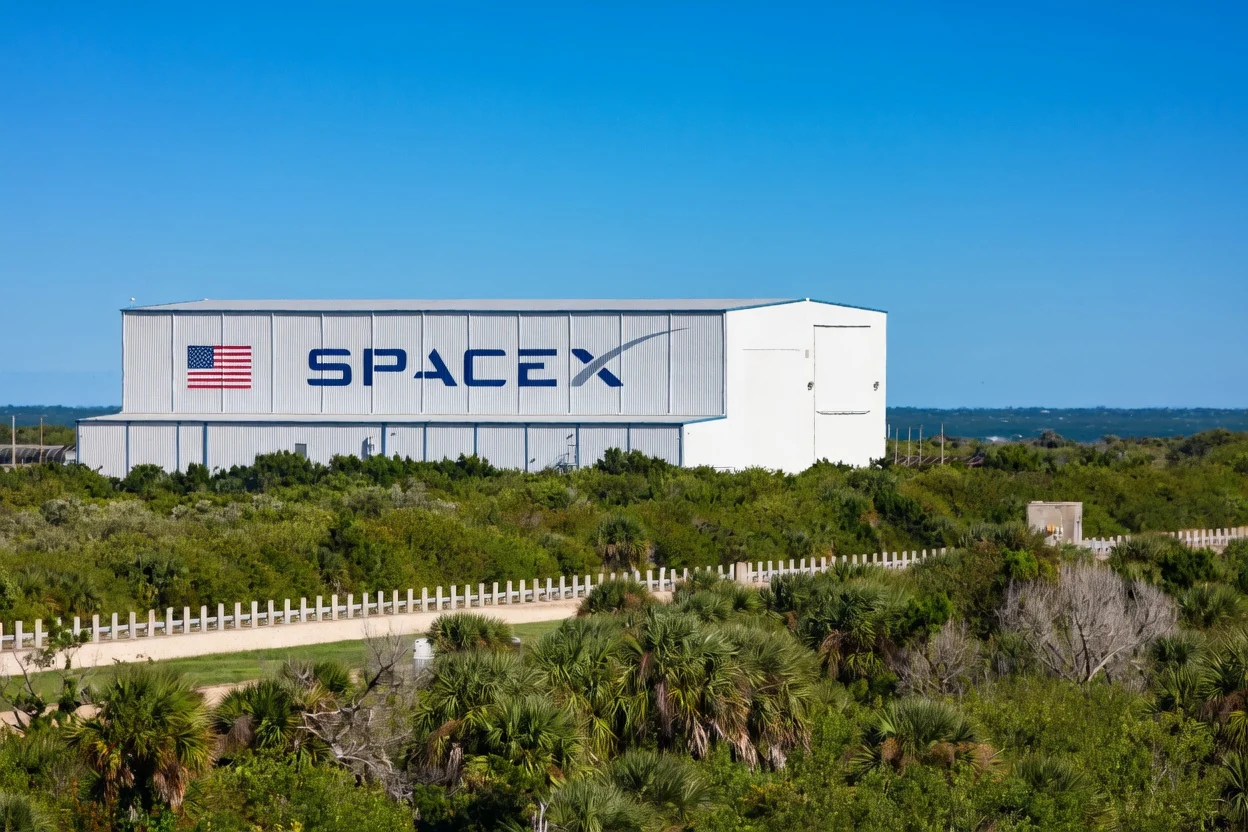
On April 1, 2026, Elon Musk’s SpaceX submitted a confidential filing for a public offering. The anticipated capital raise of $75 billion would dwarf the previous record held by Saudi Aramco’s $29 billion 2019 debut. When SpaceX hits the public markets, its valuation could approach $2 trillion, positioning it among America’s most valuable corporations.
🚨NEWS: @SPACEX IPO COULD BE THE BIGGEST EVER AS MUSK EYES POSSIBLE $TSLA MERGER
• SpaceX has filed confidentially for an IPO, with a potential June listing now in focus.
• The offering could become the largest IPO in history by valuation and capital raised, with some… pic.twitter.com/zZUBONJJ1Q— Tsla Archive (@tesla_archive) April 9, 2026
Yet the public listing may represent just the opening move. Market watchers are now questioning whether Musk intends to consolidate SpaceX with Tesla, forging an entity valued above $3.5 trillion. Such a transaction would shatter all previous merger records.
Musk has embraced the term “convergence” when discussing his vision for unifying his business empire. While he hasn’t officially acknowledged merger discussions, his recent moves have intensified the chatter.
In February 2026, SpaceX finalized its combination with xAI, Musk’s artificial intelligence venture, establishing a combined valuation of $1.25 trillion. Tesla subsequently disclosed a $2 billion capital injection into xAI, securing a minority position in SpaceX. Musk further revealed plans for Terafab, a collaborative semiconductor manufacturing facility, plus Digital Optimus, a cooperative AI agent initiative that binds Tesla and SpaceX operations more tightly.
SpaceX’s Business Case
SpaceX executes more than half of global orbital missions. Its Starlink satellite internet platform reached over nine million users by late 2025, representing approximately 100% annual growth, with subscribers paying a minimum of $600 yearly.
Musk’s ambitious long-term objective centers on orbital data facilities. He projects these space-based installations could become more cost-effective than terrestrial alternatives within two to three years. Success would position SpaceX to capture a portion of a computational market currently exceeding $60 billion annually, based on OpenAI’s expenditure patterns.
SpaceX’s reusable Falcon 9 system already achieves an estimated $2,000 to $3,000 per kilogram cost for low Earth orbit delivery. Its upcoming Starship platform could slash those expenses by an additional 80% to 90%.
Rainmaker Securities managing director Greg Martin calculates SpaceX achieved Ebitda profit margins approaching 50% prior to the xAI combination.
Tesla’s Challenges
Tesla stock has declined over 22% during 2026 and currently trades near its September 2025 lows. JP Morgan analyst Ryan Brinkman maintains an Underweight stance with a $145 target price, representing roughly 58% downside from current levels.
Tesla produced 360,000 vehicles during the first quarter of 2026, significantly missing Wall Street’s initial projections. Musk had committed to deploying robo-taxis across nine metropolitan areas during the first half of 2026, yet they’re presently operational in just Austin, Texas.
Skeptics question the merger’s logic. Future Fund co-founder Gary Black contends Tesla investors would supply approximately 55% of combined earnings while receiving only about 40% equity ownership. Columbia Law Professor Dorothy Lund highlights that any transaction would mandate shareholder approval and potentially trigger antitrust investigations.
Baird analyst Ben Kallo said of the potential merger: “I think it’s probable. It looks like that’s going to happen.”
SpaceX targets a public market debut by July 2026.
