

TLDR
- Rivian shares surged more than 7% on March 23 following announcement of a $1.25 billion Uber collaboration to introduce up to 50,000 R2-based autonomous vehicles by 2031
- The company unveiled its R2 SUV, representing its first entry into the mass-market electric vehicle segment
- The automaker achieved its first full year with positive gross profit margins, boosting market sentiment
- Cowen analysts elevated their rating from Hold to Buy, setting a $20 price target; Leerink and Benchmark maintain optimistic outlooks
- Shares have recovered approximately 20% from early February lows, despite remaining down roughly 24% for the year
Rivian Automotive witnessed significant stock appreciation on Sunday, with shares climbing over 7% as the market digested several positive company announcements. The rally followed a brief downturn the previous Friday, demonstrating renewed investor enthusiasm.
The primary catalyst driving investor interest was a landmark $1.25 billion agreement with Uber to roll out as many as 50,000 R2-based autonomous taxis through 2031. This collaboration injects substantial capital while providing clear visibility into Rivian’s autonomous vehicle roadmap.
BREAKING: Rivian has officially announced pricing and specs for their new smaller R2 SUV. Here are the trims:
R2 Performance (with Launch Package):
• Starting price: $57,990
• Deliveries start Spring 2026
• Range: 330 miles
• 88 kWh battery
• 0-60mph: 3.6s
• 656 hp
•… pic.twitter.com/TwpS41YbJN— Sawyer Merritt (@SawyerMerritt) March 12, 2026
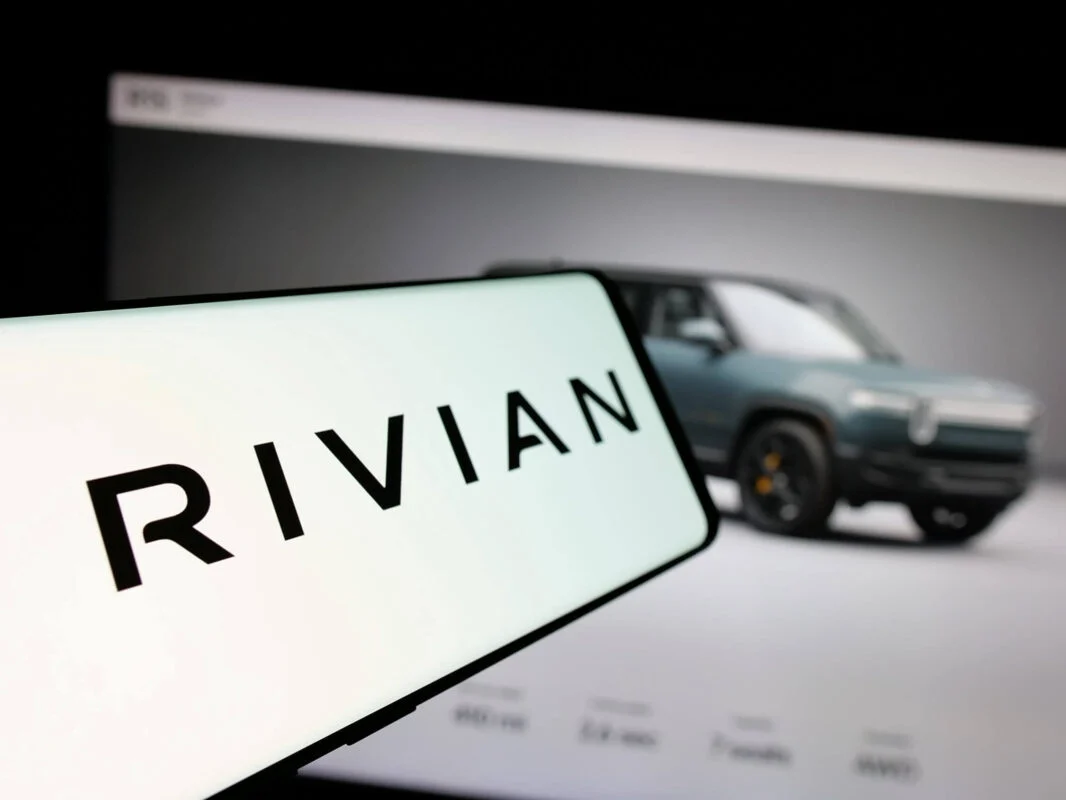
Simultaneously, Rivian unveiled the R2 SUV, representing the company’s inaugural mass-market offering. With pricing significantly below the premium R1 series, the R2 positions Rivian to compete for a substantially broader customer base.
Alongside these product announcements, the electric vehicle manufacturer reported achieving positive gross profit margins for an entire fiscal year for the first time. This financial milestone addresses a persistent investor concern and demonstrates improving operational efficiency.
Shares were changing hands near $15.96 during mid-morning trading on March 23, representing a notable recovery from the 52-week low of $10.36. Wall Street’s consensus price target stands at approximately $18.05, with Cowen’s $20 projection representing the upper range.
Analyst Confidence Builds
Wall Street sentiment toward Rivian has strengthened considerably in recent sessions. Cowen elevated its recommendation from Hold to Buy this month, expressing increased conviction in the company’s strategic direction. Leerink Partners reaffirmed an Outperform stance last week, while Benchmark maintained its Buy recommendation.
Cowen’s $20 price objective suggests potential upside of approximately 25% from prevailing price levels. Analysts uniformly cite the R2 introduction and Uber collaboration as the most visible near-term growth drivers.
The previously announced Volkswagen alliance continues delivering strategic benefits, validating Rivian’s core technology capabilities. This partnership creates potential licensing revenue streams independent of direct vehicle sales.
R2 and the Road to Scale
The R2 represents the foundation of Rivian’s volume expansion strategy. Electric vehicle profitability economics improve substantially with production scale, and the premium-positioned R1 series alone couldn’t deliver the necessary volumes.
With more accessible pricing, the R2 places Rivian in direct competition with established mainstream electric vehicle alternatives. While this market segment presents greater competitive intensity, it offers substantially larger addressable demand.
Investors will receive comprehensive updates on R2 deployment progress when Rivian announces quarterly results in early May. Manufacturing timelines and per-unit cost metrics will receive particular scrutiny.
The Uber robotaxi collaboration introduces an additional strategic dimension. Rather than functioning purely as a vehicle manufacturer, Rivian is evolving toward a technology platform model — a transition that could ultimately support margin structures superior to traditional automotive operations.
Rivian’s current market capitalization stands near $18.5 billion, with the year-to-date decline of approximately 24% still impacting overall performance. The 20% rebound since early February indicates building momentum, though successful execution on both the R2 launch and Uber deployment will determine sustainability.
The upcoming early May earnings release represents the next critical milestone, where investors will scrutinize R2 production acceleration timelines and additional details regarding the autonomous taxi deployment framework.
