

Key Takeaways
- XRP focuses primarily on cross-border payments and institutional settlement, creating a specialized but limited application scope
- Solana operates as a versatile blockchain platform supporting decentralized finance, NFTs, gaming, stablecoins, and consumer-facing applications
- Ripple’s substantial XRP token reserves continue raising questions among investors evaluating long-term supply dynamics
- Solana demonstrates more robust developer engagement, typically indicating stronger future platform viability
- While both present investment risks, Solana’s diversified ecosystem provides additional avenues for sustained expansion
When evaluating cryptocurrencies for multi-year investment horizons, XRP and Solana consistently emerge as leading candidates. Each boasts substantial community support, practical applications, and significant growth potential. However, their fundamental designs serve distinctly different purposes—a critical factor when allocating capital for three to five-year timeframes.
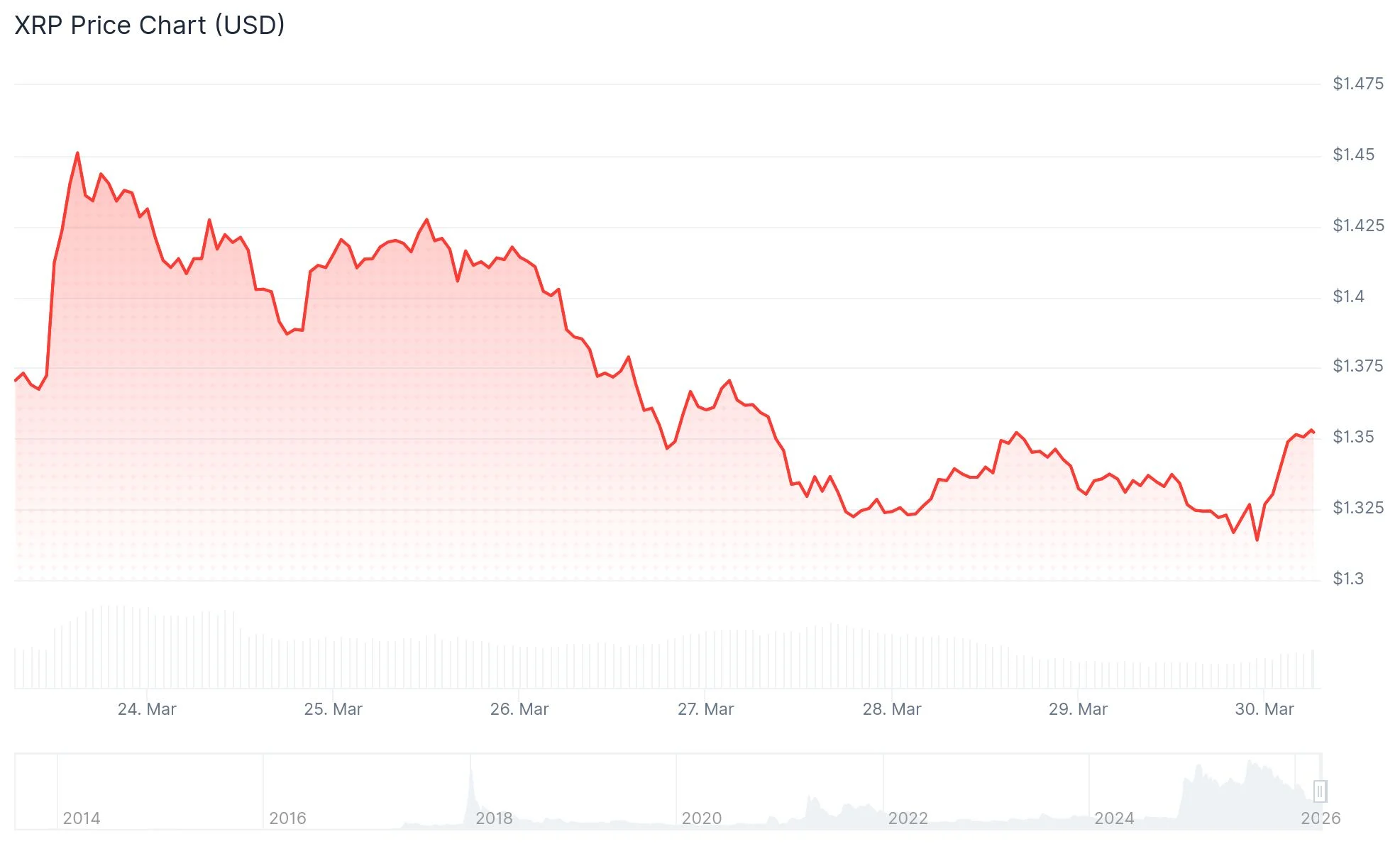
XRP was engineered specifically to facilitate rapid, cost-effective international money transfers. Solana, conversely, was conceived as a comprehensive blockchain infrastructure supporting applications spanning finance, trading, and digital ownership. This fundamental distinction influences every aspect of their potential long-term performance.
XRP’s primary advantage lies in its focused mission. Ripple has dedicated considerable resources to cultivating partnerships with banking institutions and payment processors. This strategic approach establishes XRP as a viable solution within cross-border financial infrastructure.
Should blockchain-based settlement systems gain broader acceptance among banks and payment networks, XRP stands positioned to capture significant value. This scenario represents a legitimate opportunity, explaining why numerous investors maintain long-term positions.
The limitation, however, is XRP’s concentrated reliance on a single sector. Should payment industry adoption progress more gradually than anticipated, investment returns may fall short of expectations for those seeking accelerated appreciation.
Why Solana’s Multi-Sector Approach Matters
Solana doesn’t depend on any single application vertical. Its infrastructure powers decentralized exchanges, stablecoin networks, digital collectible marketplaces, blockchain gaming, everyday consumer products, and tokenization of traditional assets.
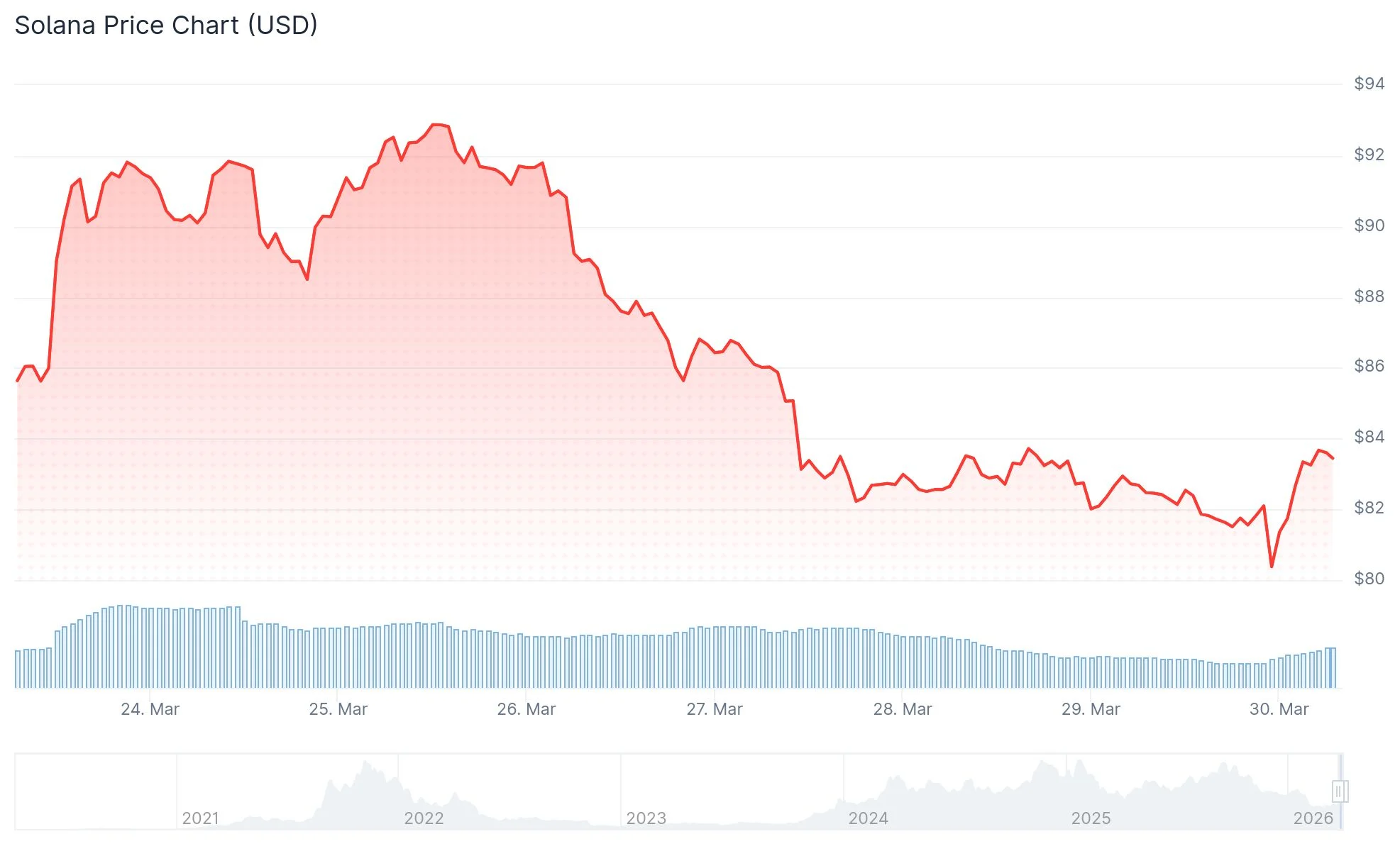
This architectural versatility creates multiple independent growth trajectories. When activity contracts in one segment, others can compensate by generating network demand and token utility.
Developer participation represents another domain where Solana demonstrates clear superiority. Blockchain networks attracting more active developers typically maintain relevance over extended periods, since builders create the applications that drive user adoption.
Robust developer interest frequently serves as a predictive metric for long-term ecosystem sustainability. Measured by this standard, Solana currently maintains a competitive advantage relative to XRP.
Token Economics and Investment Considerations
XRP employs a relatively simple supply mechanism. The network doesn’t introduce new tokens through mining, and small amounts of XRP are permanently removed with each transaction processed.
Nonetheless, Ripple’s considerable token reserves represent an ongoing concern for certain market participants. This persistent supply overhang can constrain investor confidence regarding long-term price appreciation potential.
Solana incorporates inflationary tokenomics into its design. This is partially balanced by staking incentives and expanding on-chain economic activity.
As network utilization increases, demand for Solana can strengthen through transaction fees and ecosystem expansion. This dynamic provides fundamental support for the token’s economic model over extended periods.
XRP’s primary uncertainties revolve around enterprise integration rates and regulatory framework development. Solana’s challenges relate more to technical execution and network stability, which has presented difficulties historically.
Solana has recently maintained ecosystem expansion momentum through additional stablecoin partnerships and consumer-oriented application launches, sustaining strong developer interest as 2025 approaches.
Investment Perspective
For investors evaluating multi-year opportunities, Solana presents a more compelling platform proposition. While XRP retains legitimate value within payment and settlement infrastructure, Solana’s broader ecosystem architecture provides superior diversification and growth optionality.
