

Key Takeaways
- Marathon 21-hour diplomatic session between U.S. and Iran in Pakistan concluded without agreement
- Vice President JD Vance stated Iran declined to guarantee abandonment of nuclear weapons development
- President Trump directed immediate U.S. Navy blockade of the Strait of Hormuz
- The critical waterway handles approximately 20% of the world’s oil and LNG traffic
- Energy markets anticipated to surge when trading begins Monday after diplomatic failure
Diplomatic efforts between Washington and Tehran fell apart Sunday in Islamabad, Pakistan, as both nations departed from intensive negotiations that lasted 21 hours without achieving a breakthrough on fundamental issues.
JUST IN – Trump orders the U.S. Navy to blockade the Strait of Hormuz to "any and all ships trying to enter, or leave." Also instructing the U.S. Navy to seek and interdict every vessel in international waters that has paid a toll to Iran: "No one who pays an illegal toll will… pic.twitter.com/wpvTuTvyd6
— Disclose.tv (@disclosetv) April 12, 2026
Heading the U.S. negotiating team, Vice President JD Vance indicated that Iranian representatives refused to provide assurances regarding the cessation of their nuclear weapons ambitions—a non-negotiable requirement from the American perspective.
“Our fundamental requirements have been communicated with absolute clarity, and they have opted not to meet our conditions,” Vance informed journalists in Islamabad during the early Sunday hours.
Tehran’s diplomatic apparatus characterized the outcome differently. Foreign ministry spokesperson Esmail Baghaei remarked that expecting resolution of longstanding disputes within a single negotiating round was unrealistic. He emphasized that “diplomatic channels remain perpetually open” and suggested willingness to continue engagement.
The negotiating agenda encompassed three critical components: governance of Strait of Hormuz passage rights, potential expansion of ceasefire provisions, and graduated sanctions reduction. Iranian semi-official media outlets characterized American proposals as “disproportionate.”
Since hostilities between the U.S. and Israel commenced in late February, Iran has effectively halted maritime traffic through the Strait of Hormuz. This narrow passage serves as the transit route for roughly one-fifth of global oil and liquefied natural gas shipments worldwide.
Two unloaded supertankers attempted passage through the strategic waterway Sunday. Both vessels reversed course precisely as diplomatic discussions concluded.
Presidential Directive for Naval Blockade
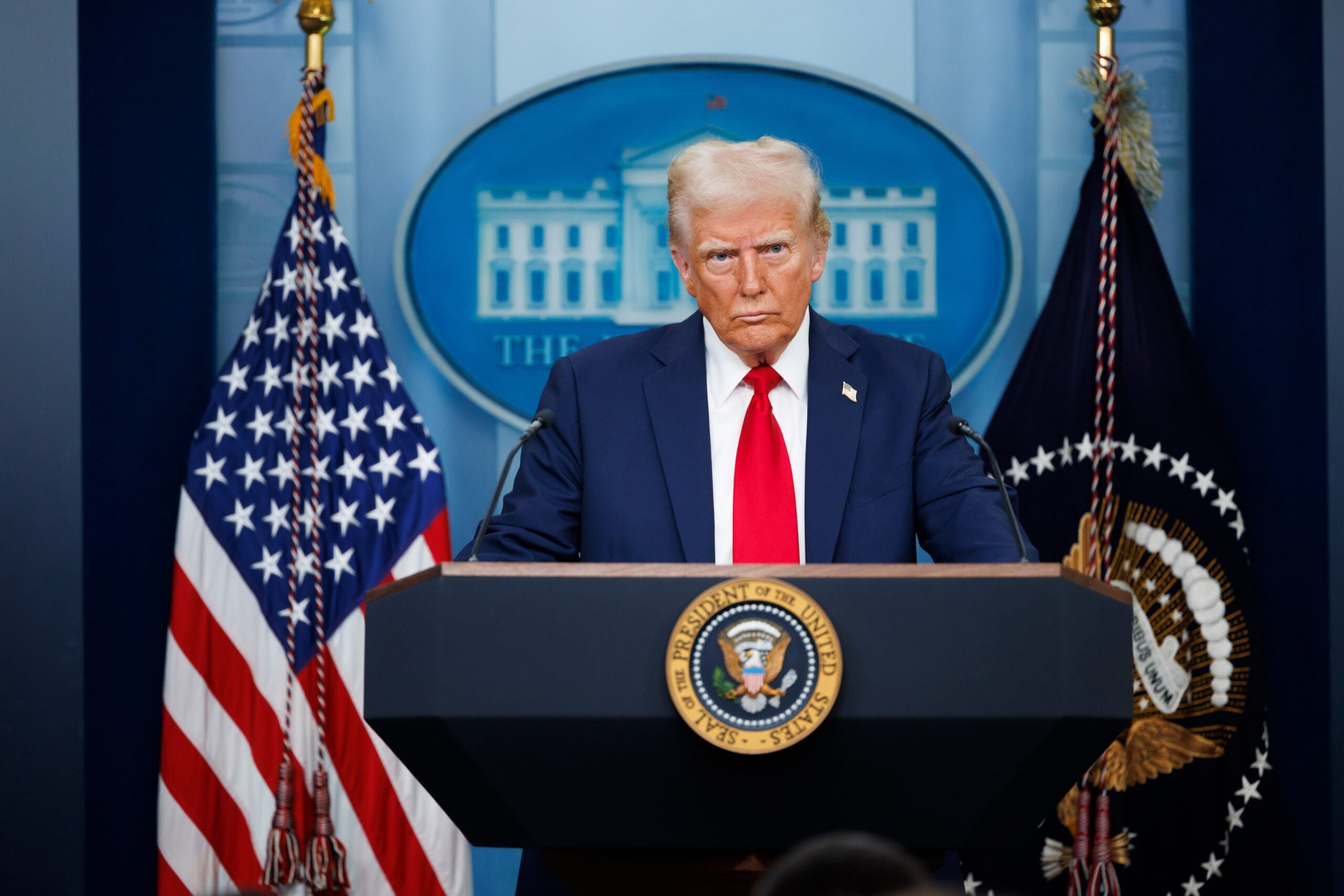
In the hours following the diplomatic breakdown, President Trump utilized Truth Social to announce immediate commencement of a U.S. Navy blockade operation targeting the Strait of Hormuz.
“With immediate effect, the United States Navy will commence blockade operations against all vessels attempting entry to or departure from the Strait of Hormuz,” Trump declared.
Trump additionally announced Navy intercept operations would target any ship in international waters that had submitted toll payments to Iranian authorities. “Any entity paying unlawful transit fees will find no safe passage across international waters,” he stated.
The President characterized the diplomatic session as having “proceeded positively” with “agreement reached on numerous issues,” while acknowledging the insurmountable divide regarding Iran’s nuclear development program.
Energy Markets Prepare for Monday Volatility
Market specialists forecast significant increases in petroleum and natural gas valuations when trading commences Monday. Nick Twidale, serving as chief market analyst at AT Global Markets in Sydney, noted growing optimism throughout the previous week anticipating diplomatic progress.
“We could witness a regression to price levels observed before the ceasefire declaration,” Twidale projected. “Expectations point toward oil opening at elevated levels, accompanied by dollar strengthening.”
The fragile two-week ceasefire arrangement, finalized during the previous week, now faces considerable uncertainty. Pakistani officials, who provided the venue for negotiations, described discussions as “productive” and pledged continued mediation support.
The ongoing conflict has claimed over 5,600 lives throughout Iran, Lebanon, and surrounding territories. U.S. Central Command reports thirteen American military personnel killed.
Israeli Prime Minister Benjamin Netanyahu advocated for removal of enriched nuclear materials from Iranian territory regardless of diplomatic outcomes.
