

Key Highlights
- President Trump criticized NATO partners as “cowards” for declining assistance in reopening the Strait of Hormuz
- Military conflict between U.S.-Israel and Iran commenced February 28, now extending into week three
- The S&P 500 has declined approximately 5% from the conflict’s inception
- Gasoline costs have surged 31%, reaching $3.91 per gallon amid supply chain disruptions
- Multiple NATO nations committed to supporting safe maritime passage, contingent on cessation of hostilities
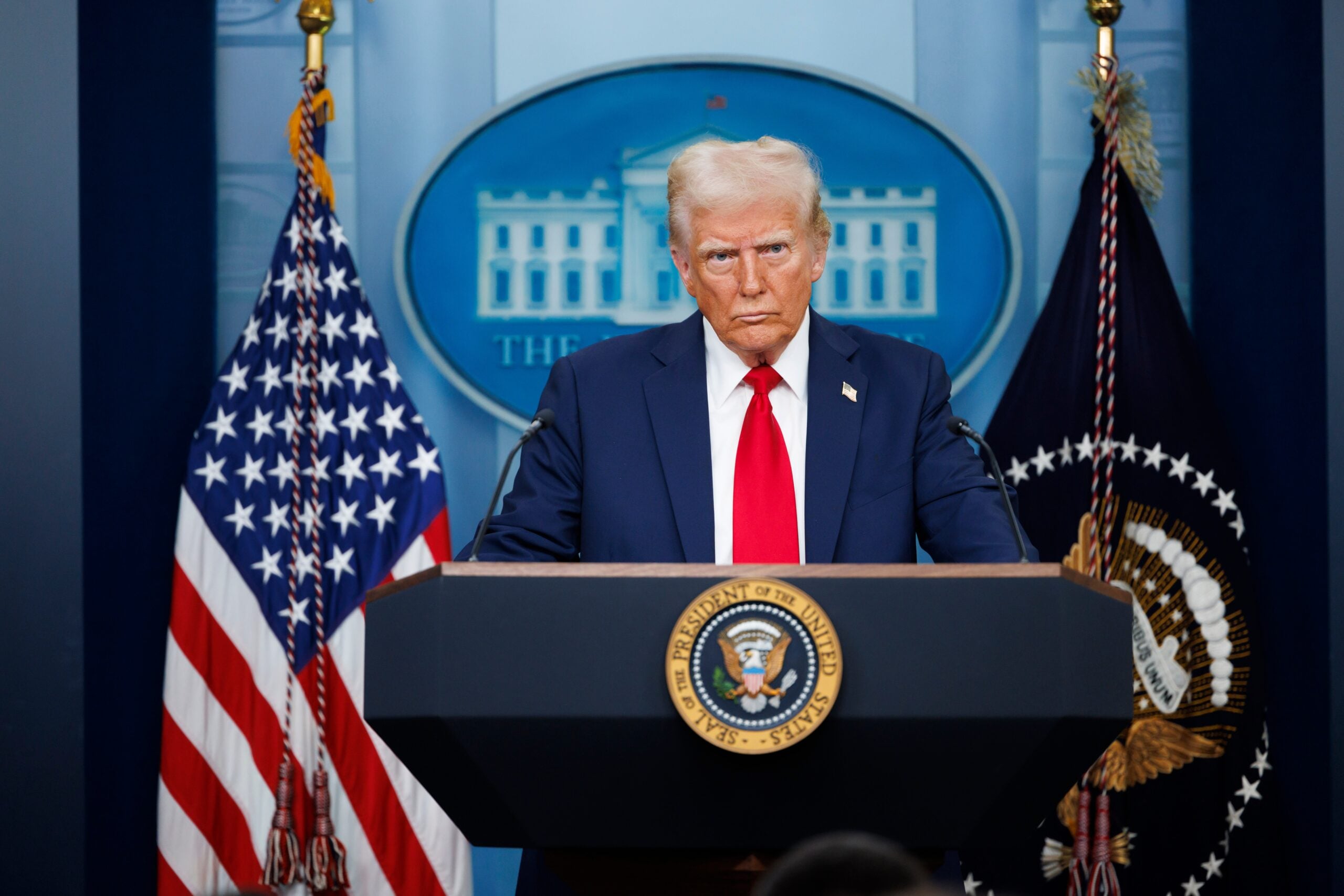
On Friday, President Trump launched a scathing public critique of NATO partners, branding them “cowards” for their unwillingness to assist in reopening the strategic Strait of Hormuz amid the current U.S.-Israel military campaign against Iran.
Good morning – President Trump is up and blasting NATO as ‘COWARDS’ and a ‘PAPER TIGER’ pic.twitter.com/fZpgxlechw
— Danny Kemp (@dannyctkemp) March 20, 2026
“Without the U.S.A., NATO IS A PAPER TIGER!” the President declared via Truth Social.
The military engagement initiated on February 28 with coordinated U.S.-Israel operations targeting Iran. The conflict has resulted in thousands of casualties and displaced millions of civilians.
The President has consistently pressured key allied nations to participate in securing commercial navigation through the Strait of Hormuz, a vital chokepoint under Iranian control. Maritime traffic through this critical passage has ground to a virtual halt.
Notably, allied governments received no advance notification or consultation before military operations commenced.
Trump maintained that securing the Strait would present minimal complexity and danger for NATO member states.
“Now that fight is Militarily WON, with very little danger for them, they complain about the high oil prices they are forced to pay, but don’t want to help open the Strait of Hormuz,” he stated.
His message concluded with an explicit threat: “COWARDS, and we will REMEMBER!”
Economic Fallout From the Conflict
Since hostilities began on February 28, the S&P 500 has experienced a nearly 5% decline. Gasoline prices have skyrocketed 31%, now averaging $3.91 per gallon, directly attributable to supply disruptions stemming from the Strait closure.
Oil prices have maintained an upward trajectory as the confrontation extends into week three without meaningful signals of de-escalation from Washington or Tehran.
The President directly attributed elevated energy costs to the Strait blockage, characterizing its reopening as “a simple military maneuver.”
Alliance Response and Pushback
Thursday saw Germany, Britain, France, Italy, the Netherlands, Japan, and Canada issue a collective statement committing to participate in “appropriate efforts to ensure safe passage through the Strait.”
Yet German Chancellor Friedrich Merz explicitly clarified that any German military participation would occur exclusively after active combat operations conclude.
French President Emmanuel Macron, addressing reporters following an EU summit in Brussels, emphasized that advancing de-escalation and upholding international legal standards represented “the best we can do.”
He continued: “I have not heard anyone here express a willingness to enter this conflict — quite the opposite.”
The chasm between the President’s expectations and NATO’s official position continues to widen as the conflict enters its third week without any ceasefire agreement on the horizon.
As of Friday evening, shipping activity through the Strait of Hormuz remains essentially paralyzed, with neither American nor Iranian leadership demonstrating willingness to retreat from their current positions.
