

Key Highlights
- Virgin Galactic has halted its commercial spaceflight operations to concentrate on developing the Delta Class spacecraft platform.
- Initial test flights are slated for Q3 2026, with a planned return to commercial operations in Q4 2026.
- Q4 2025 revenue totaled a mere $0.31 million, reflecting the operational pause.
- The company posted negative free cash flow of $438 million for fiscal year 2025, though this represents progress compared to 2024 figures.
- Analyst consensus leans toward Reduce, with a mean price target of $3.45 over the next twelve months.
SPCE shares are trading at substantially reduced valuations, with the Street’s consensus 12-month forecast placed at $3.45.
Virgin Galactic Holdings, Inc., SPCE
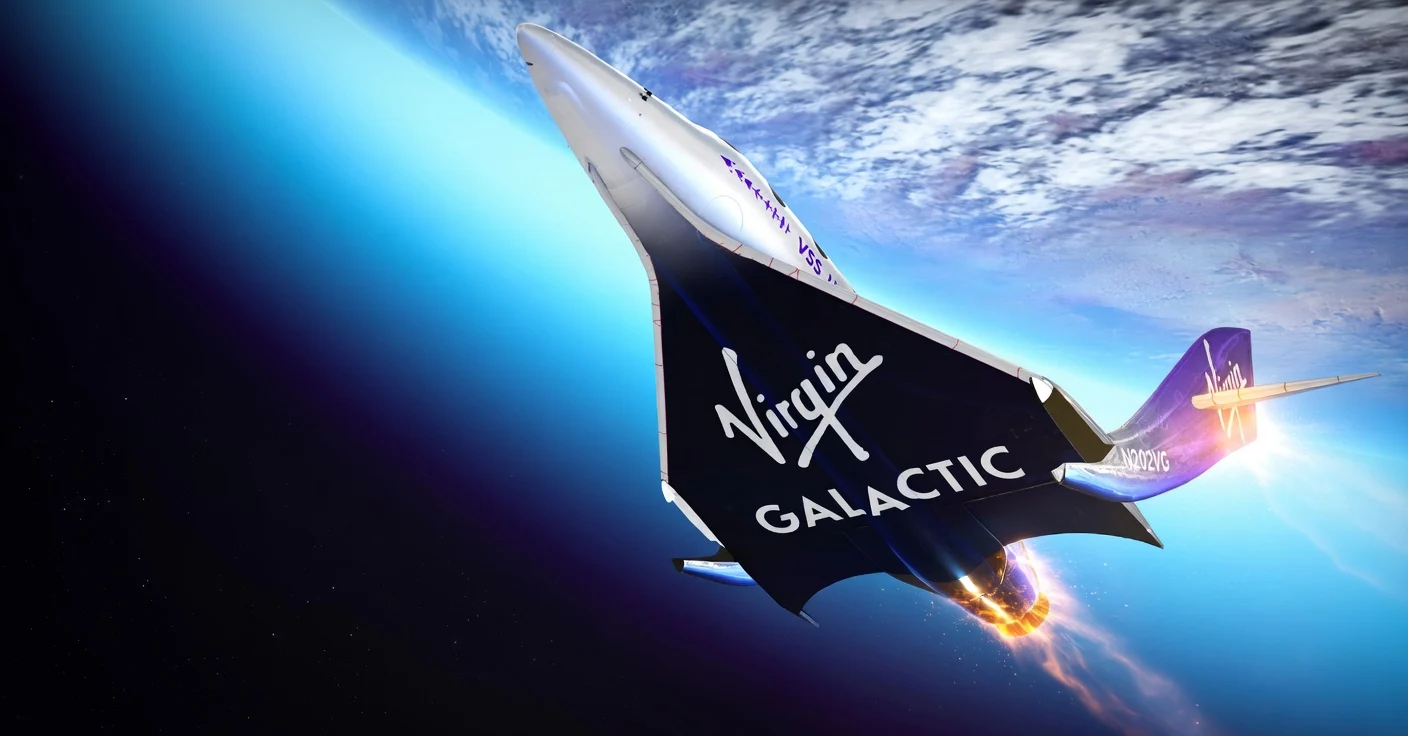
Virgin Galactic disclosed Q4 2025 revenue of only $0.31 million. The company has suspended commercial operations while it develops its Delta Class spacecraft platform.
For the entire 2025 fiscal year, free cash flow registered at negative $438 million. This figure comprises $240 million in cash consumed by operations and $198 million allocated to capital investments.
The company exceeded earnings projections on a per-share loss basis in its most recent quarterly filing. However, given the minimal revenue figures, this accomplishment offers limited reassurance.
The Delta Class system is engineered for more frequent missions and reduced per-flight operating expenses compared to Virgin Galactic’s legacy platform. While the earlier technology generated substantial public interest, it never evolved into a sustainable commercial operation.
Executive leadership has established a definitive roadmap. Testing operations are scheduled to commence in Q3 2026. The return to commercial service, beginning with a research-focused mission, is targeted for Q4 2026.
For those holding SPCE shares, this development timeline has become the central thesis. Failure to execute could trigger additional downward pressure. Successful execution would at minimum restore a compelling investment narrative.
The Cash Consumption Challenge
The organization is depleting capital reserves rapidly while zero revenue-producing flights occur. Each passing quarter without operational Delta Class spacecraft extends the financial runway requirement.
The year-over-year reduction in cash consumption from 2024 to 2025 represents a positive trend, but the absolute figures remain substantial. Virgin Galactic must achieve operational status where flight revenues meaningfully offset ongoing expenditures.
Regulatory filings show no immediate liquidity emergency, but cash runway management will remain a critical focus area as 2026 operational milestones draw closer.
Analyst Perspective
Wall Street’s prevailing view on SPCE is Reduce. The breakdown includes 1 buy recommendation, 3 hold ratings, and 2 sell calls, based on MarketBeat data.
The consensus twelve-month price objective stands at $3.45. While this suggests potential appreciation from current trading levels, it underscores the prevailing analyst skepticism.
The company retains brand recognition. The founder-led narrative continues to capture attention. Neither factor, however, finances Delta Class engineering and production.
Absent tangible flight performance data and meaningful revenue generation, analyst sentiment is unlikely to shift materially.
Bottom Line Assessment
Virgin Galactic represents an all-or-nothing proposition as late 2026 approaches. The Delta Class program either delivers on schedule with successful commercial operations resuming, or setbacks accumulate and the financial equation becomes increasingly difficult to justify.
The organization has a concrete catalyst ahead. Q3 2026 testing activities and Q4 2026 commercial resumption offer a legitimate opportunity to reshape the investment story.
Wall Street maintains a cautious Reduce stance with a $3.45 mean price target, while SPCE reports essentially zero revenue generation.
