

Quick Overview
- First-quarter adjusted EPS reached $0.64, surpassing analyst expectations of $0.56
- Quarterly revenue totaled $15.85B, significantly exceeding the $14.84B forecast
- CEO Ed Bastian highlighted year-over-year earnings growth exceeding 40%, accompanied by $1.3B in employee profit-sharing distributions
- TD Cowen increased its price objective on DAL from $76 to $84; Citi elevated its target from $77 to $79; Jefferies boosted its target from $78 to $81 — all firms retained Buy recommendations
- The carrier’s net debt has reached its lowest point since pre-pandemic levels, per TD Cowen analysis
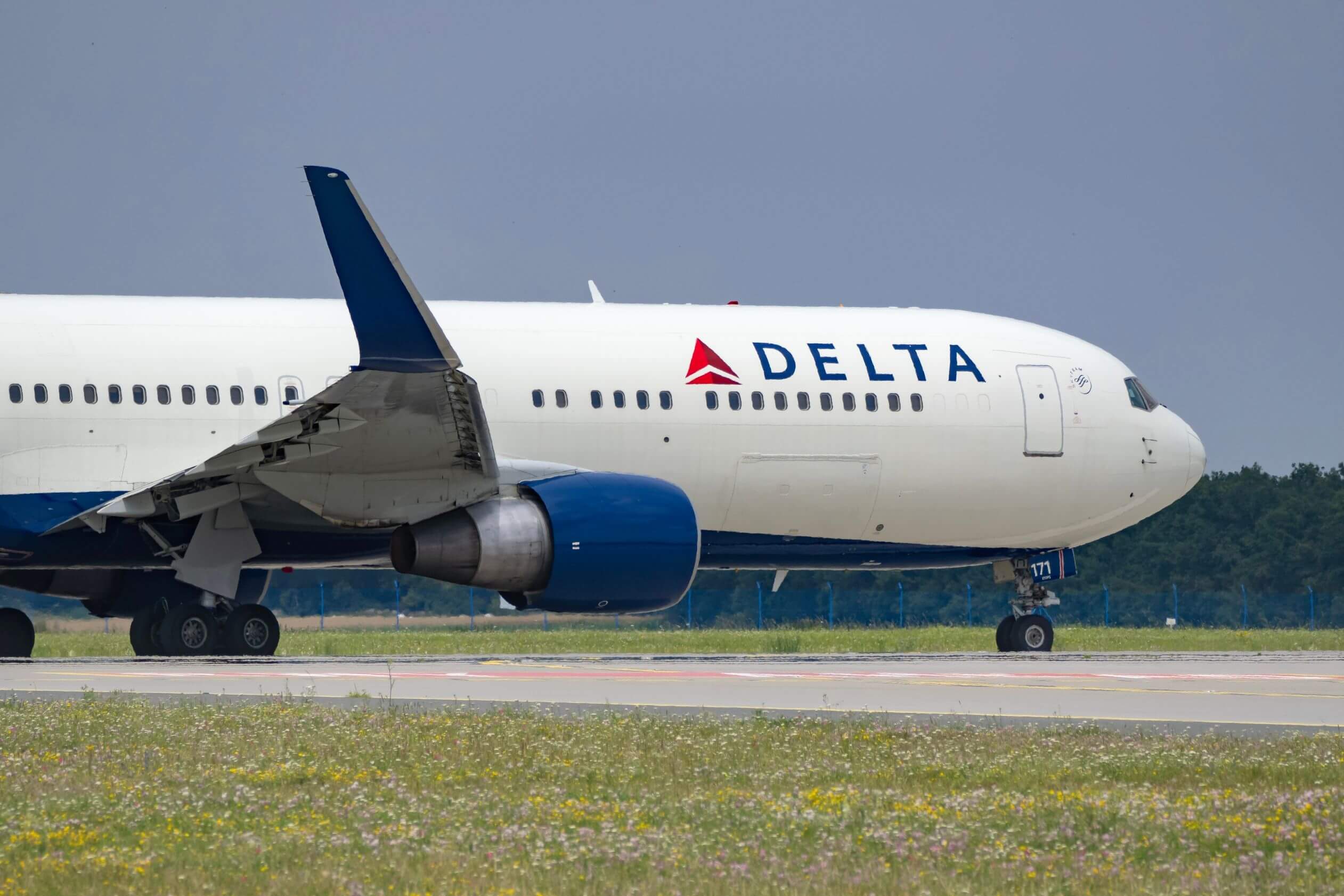
Delta Air Lines (DAL) surpassed first-quarter profit expectations and garnered three separate analyst price target increases within one week, as financial institutions reacted positively to robust quarterly performance.
The carrier reported first-quarter adjusted earnings per share of $0.64, exceeding Wall Street’s $0.56 forecast. Quarterly revenue reached $15.85B compared to analyst projections of $14.84B — a substantial variance that drew considerable attention from market observers.
Chief Executive Ed Bastian noted that earnings climbed “more than 40 percent higher” compared to the same period last year. This performance came despite facing elevated fuel expenses and various operational challenges throughout the period. Additionally, the company distributed $1.3B in profit-sharing payments to its workforce during the quarter.
Trio of Analyst Upgrades
TD Cowen initiated the upgrade cycle, boosting its price objective from $76 to $84 while maintaining its Buy recommendation. The firm suggested that fuel price fluctuations actually demonstrate the resilience of Delta’s operational framework — arguing that financially struggling competitors reducing capacity could elevate Delta’s long-term revenue per available seat mile (RASM) baseline.
TD Cowen additionally highlighted that Delta’s net debt currently stands at its lowest level since pre-pandemic times — a significant metric for an organization that invested years recovering from COVID-19-related financial setbacks.
Citi subsequently raised its price target from $77 to $79 while retaining its Buy stance. The institution cited robust demand patterns supporting the earnings outperformance, stating that the quarterly results strengthen Delta’s competitive positioning across critical market sectors.
Jefferies concluded the trio of upgrades, increasing its target from $78 to $81. The firm characterized Delta’s operational approach as “diversified and durable,” indicating it enables the airline to outperform competitors in the present fuel cost climate.
Three distinct Buy ratings accompanied by three price target elevations — all delivered within days of the first-quarter report. Such synchronized analyst response represents an uncommon occurrence.
Breaking Down the Financials
Delta’s first-quarter revenue of $15.85B reflects genuine expansion. The airline’s success in exceeding expectations on both revenue and earnings — while navigating elevated fuel expenses — demonstrates that consumer demand remains robust.
The net debt metric represents another understated positive development. Airlines typically maintain substantial debt loads, making a return to pre-pandemic debt levels a meaningful structural enhancement rather than a superficial accounting detail.
The $1.3B profit-sharing distribution also merits attention. This represents substantial capital allocated to employees, signaling management’s confidence in the company’s financial stability to fulfill this obligation.
Jefferies’ $81 price target falls between Citi’s $79 projection and TD Cowen’s $84 estimate — the narrow range among these three targets indicates considerable consensus regarding DAL’s appropriate valuation level.
The final upgrade arrived from Jefferies on April 12, 2026, one day following Citi’s revised analysis and four days after the quarterly earnings announcement.
