
Key Takeaways
- Federal Reserve maintained rates at 3.5%–3.75% with an 11-1 vote during the March policy meeting
- Policymakers remain divided on whether Iran conflict will fuel inflation or damage employment
- Several members indicated rate reductions remain possible if price pressures ease as projected
- Other officials cautioned that rate increases might become necessary if inflation persists above target
- Upcoming FOMC gathering set for April 28–29; market pricing shows 75.6% probability of unchanged policy
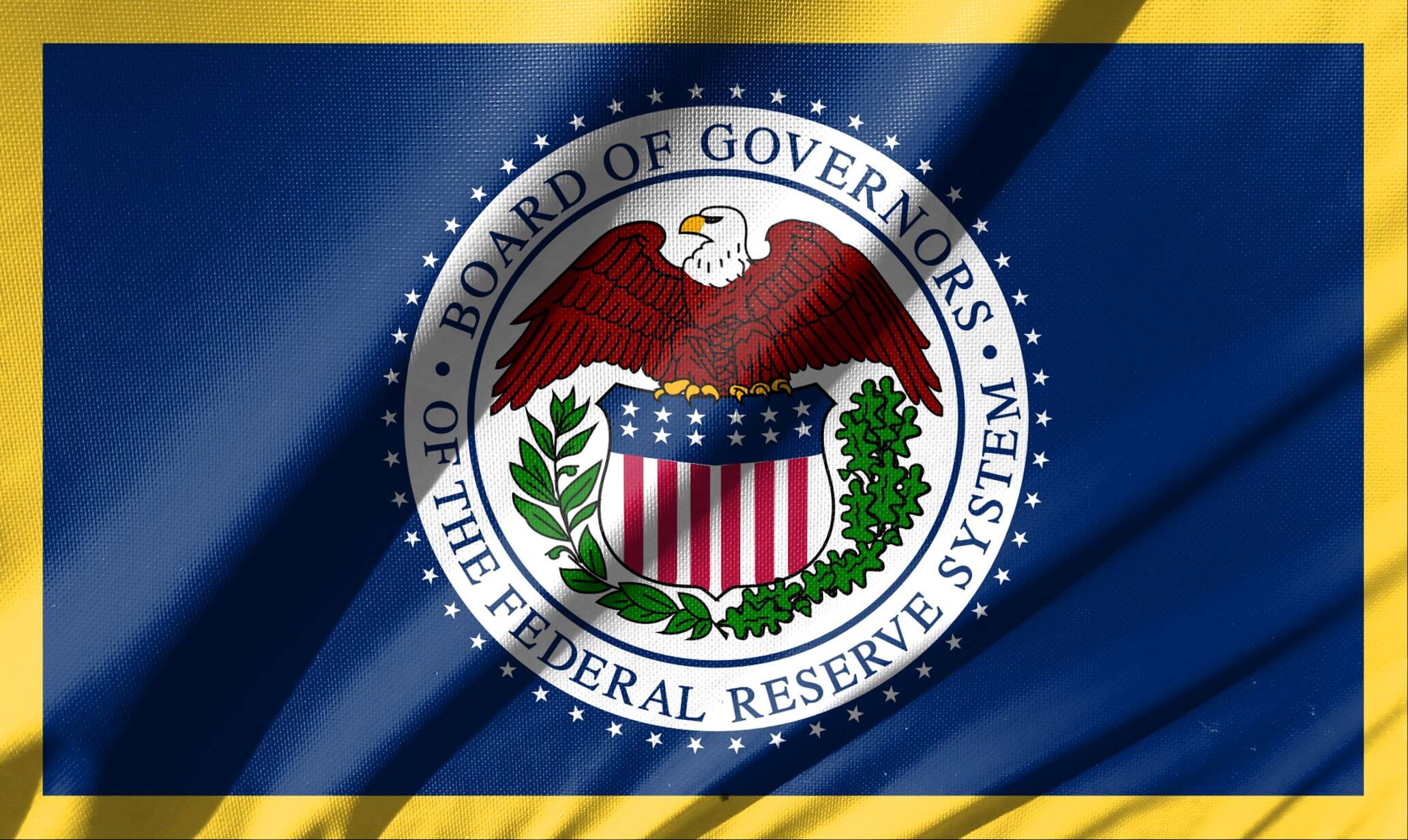
The Federal Reserve published its March 17–18 FOMC meeting minutes on Wednesday, revealing significant disagreement among policymakers regarding the appropriate interest rate trajectory as geopolitical turmoil in Iran introduces fresh economic complications.
FOMC MINUTES:
MANY SAID INFLATION HIGHER FOR LONGER COULD CALL FOR HIKES
MOST SAID PROTRACTED WAR COULD HIT JOBS, WARRANT CUTS
SOME SAW `STRONG CASE' FOR TWO-SIDED LANGUAGE ON RATE PATH
A COUPLE OF PARTICIPANTS PUSHED THEIR ASSESSMENTS FOR TIMING OF RATE CUTS FURTHER INTO…
— Wall St Engine (@wallstengine) April 8, 2026
The Federal Open Market Committee approved an 11-1 decision to maintain the benchmark federal funds rate within the 3.5% to 3.75% range. While this outcome aligned with market expectations, the internal deliberations exposed considerable complexity.
A majority of meeting participants expressed concern that the Iran conflict has elevated both inflation persistence risks and employment market vulnerability. Policymakers specifically highlighted surging petroleum prices as a critical factor, noting that elevated energy expenses could constrain consumer spending power and dampen overall economic momentum.
“Many participants judged that, in time, it would likely become appropriate to lower the target range for the federal funds rate if inflation were to decline in line with their expectations,” the minutes stated.
The most recent rate reduction occurred on December 10, 2025, when the Federal Reserve implemented a 25 basis point decrease.
Both Rate Reductions and Increases Remain Under Consideration
Certain officials expressed reservations about committing to future rate reductions. These members contended that the central bank should maintain flexibility to implement rate increases should inflation remain stubbornly above the Fed’s 2% objective.
“Some participants judged that there was a strong case for a two-sided description of the Committee’s future interest rate decisions,” the minutes read, pointing to the chance of hikes if needed.
Employment conditions also emerged as a significant discussion point. Committee members observed that job growth has decelerated considerably, leaving the labor market “vulnerable to adverse shocks.”
Rate reductions typically benefit cryptocurrency markets. Decreased borrowing costs tend to increase available investment capital and encourage investors toward higher-risk assets such as Bitcoin.
Bitcoin experienced downward pressure following the minutes’ publication, declining from approximately $71,800 to roughly $71,200, based on TradingView data.
Current Market Expectations
Based on CME Group’s FedWatch tool, markets currently assign a 75.6% probability that the Fed maintains its current rate stance at the December 8 gathering. A rate cut carries a 20.4% likelihood, while a rate increase holds just 2.4% probability.
Most committee members acknowledged it remains premature to assess the Iran conflict’s full economic impact. They committed to continuously evaluating conditions at each subsequent policy meeting.
The Federal Reserve operates under a dual mandate encompassing price stability and full employment. Policymakers indicated both objectives currently face heightened uncertainty.
The FOMC additionally observed that achieving its 2% inflation target may require more time than previously anticipated. Officials pointed to tariff impacts, elevated petroleum costs, and concerns that prolonged above-target inflation could destabilize long-term price expectations.
The Federal Reserve’s next scheduled policy meeting runs April 28–29.
