

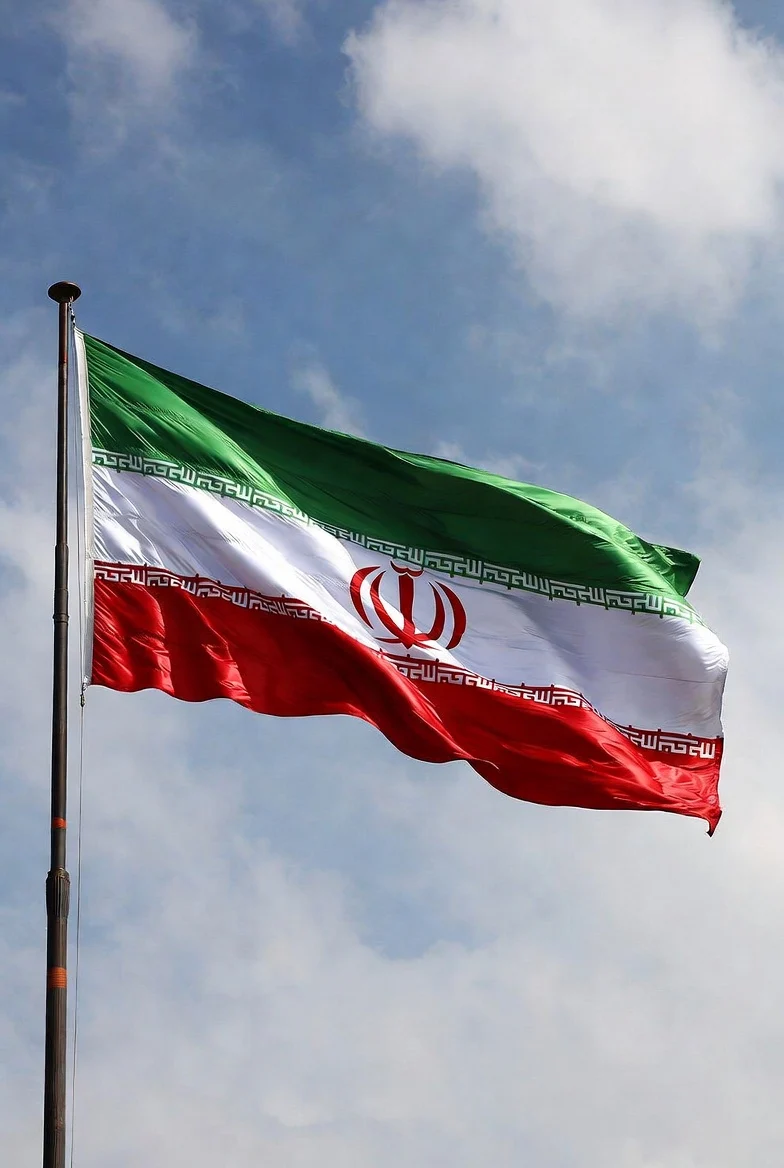
Key Takeaways
- Washington and Tehran reached a conditional two-week truce moments before Trump’s escalation deadline expired
- Tehran has committed to temporarily reopening the Strait of Hormuz, a critical global energy corridor
- Iran unveiled a comprehensive 10-point peace framework demanding full sanctions relief and U.S. military withdrawal
- President Trump acknowledged the proposal as a “workable basis” while insisting nuclear issues must be resolved
- Leading Wall Street analysts identified 8 compelling factors suggesting the ceasefire will remain intact, driven by political and economic realities
A conditional truce between Washington and Tehran was finalized late Tuesday evening, arriving just under two hours ahead of President Trump’s ultimatum. The agreement paused scheduled U.S. strikes targeting Iranian critical infrastructure for a fortnight, contingent upon Iran’s immediate reopening of the Strait of Hormuz.
🇺🇸🇮🇷🇨🇳 Trump calls the ceasefire "a complete and comprehensive victory for America" and says he believes China pushed Iran to negotiate.
If true, that's the entire thesis of this war coming full circle.
The U.S. bombed Iran. Iran closed the Strait.
China's economy bled.… https://t.co/bZQ7xyN7HG pic.twitter.com/miDevqKxoZ
— Mario Nawfal (@MarioNawfal) April 8, 2026
The White House confirmed that Israel has also committed to observing the ceasefire terms.
Financial markets responded enthusiastically to the development. Oil prices experienced a significant downturn.
Earlier, Trump had issued stark warnings about destroying “a whole civilization” unless Iran capitulated. The agreement represented a dramatic shift in diplomatic posture.
Tehran has subsequently introduced a comprehensive 10-point framework intended to guide future diplomatic discussions. While the complete document remains unofficially published, Al Jazeera’s coverage reveals its primary stipulations.
The framework insists on U.S. guarantees of non-aggression, recognition of Iran’s uranium enrichment activities, complete sanctions elimination, termination of UN Security Council and IAEA measures against Iran, and removal of all American military personnel from regional installations.
Additionally, it seeks full war reparations to be funded through tolls on vessels transiting the Strait of Hormuz, alongside unfreezing all Iranian financial holdings overseas.
Trump characterized the framework as containing “very good points” and indicated most elements had already been part of ongoing discussions. However, he challenged the publicly released version, implying it misrepresented actual negotiation substance.
“They’re not the maximalist demands that Iran is claiming,” Trump stated to Sky News.
Regarding nuclear concerns, Trump remained resolute. “That will be perfectly taken care of, or I wouldn’t have settled,” he informed AFP.
Expert Analysis and Predictions
Adam Crisafulli, who analyzes markets for Vital Knowledge, projects the ceasefire will endure and presented eight supporting rationales.
He contended that Trump’s primary aggressive alternatives — targeting civilian infrastructure, forcibly reopening Hormuz militarily, or seizing Iran’s enriched uranium stockpiles — represent such poor strategic choices that ongoing hostilities appear improbable.
Crisafulli further noted that Washington can legitimately claim achievement of its core military objectives, having successfully weakened Iran’s missile capabilities and nuclear facilities.
He cautioned that stagflationary consequences are already permeating the global economy following five weeks of confrontation, though these effects may not fully materialize in economic indicators until late summer or autumn.
Politically, Republican polling figures have declined precipitously, while internal White House resistance to the conflict proved more extensive than initially understood. Vice President Vance, Secretary of State Rubio, and additional senior administration figures all reportedly harbored reservations about sustained military engagement.
Congressional willingness to authorize additional war expenditures is also diminishing. The White House currently requests between $80 billion and $100 billion in supplementary appropriations, substantially reduced from the Pentagon’s original proposal exceeding $200 billion.
The Hormuz Strait Controversy
Jurisdiction over the Strait of Hormuz remains the most contentious element of any settlement.
Iran’s proposal stipulates safe maritime passage should resume under Iranian military supervision. Intelligence suggests Iran and Oman might impose transit charges reaching $2 million per ship, with proceeds designated for reconstruction efforts.
Tehran has additionally indicated it reserves the right to close the strait again should negotiations deteriorate.
Analysts anticipate Iran’s stipulations will face rejection as currently formulated. They represent an initial negotiating stance rather than a conclusive proposition.
Discussions between the two nations regarding Iran’s nuclear capabilities have continued for nearly twelve months with minimal advancement. The pre-conflict arrangement governing the Strait of Hormuz — as an internationally administered waterway — continues as a critical obstacle, particularly as Iran now seeks exclusive authority over it.
