

Key Takeaways
- President Trump contacted Xi Jinping to request China cease any weapons shipments to Iran; Xi responded by denying such transfers
- A 50% tariff threat hangs over any nation found to be supplying arms to Tehran
- Despite Trump’s assertion he is “permanently opening” the vital waterway, Strait of Hormuz traffic continues at severely reduced levels
- This diplomatic correspondence precedes a scheduled Trump-Xi meeting in Beijing set for May 14-15
- American forces have implemented a complete naval blockade around Iranian ports, effectively stopping all maritime commerce
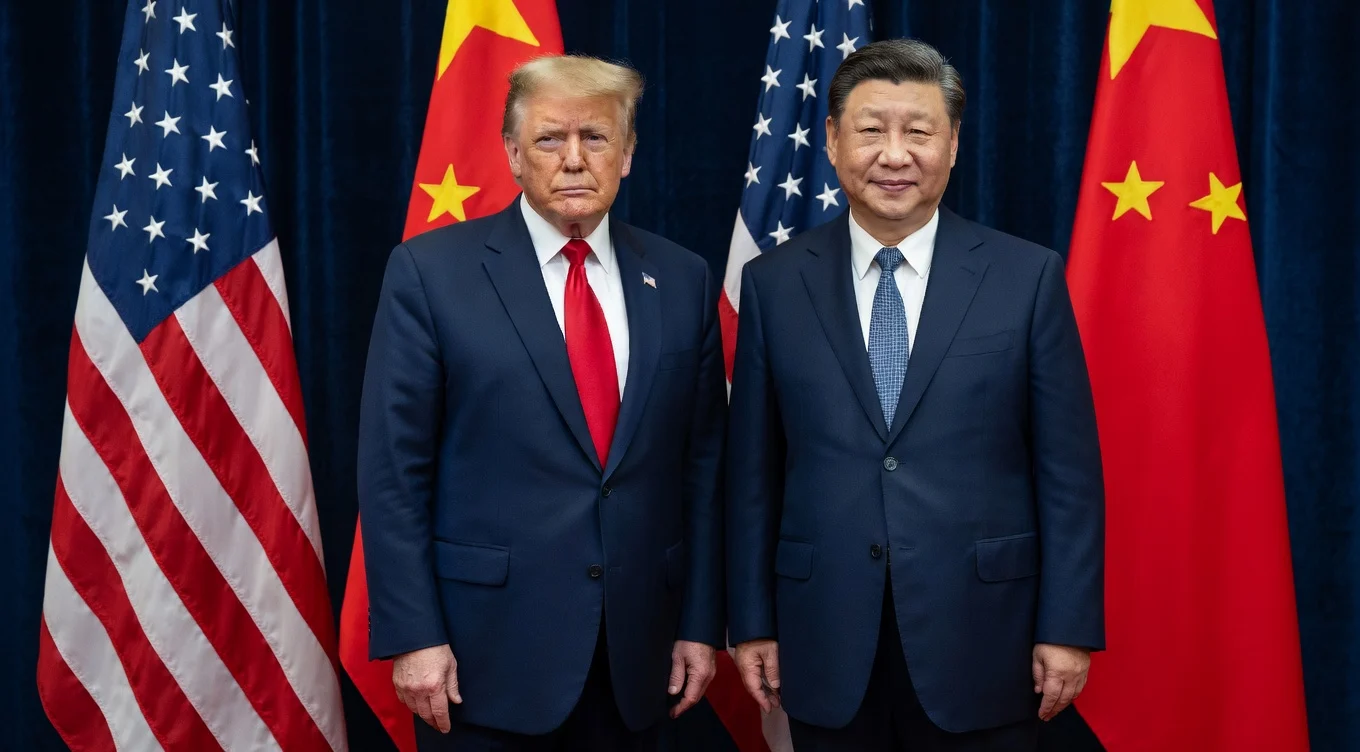
President Trump and China’s leader Xi Jinping have engaged in a diplomatic letter exchange concerning allegations of Chinese weapons deliveries to Iran, as Trump disclosed during a Wednesday broadcast of Fox Business.
“China is very happy that I am permanently opening the Strait of Hormuz. I am doing it for them, also – And the World. This situation will never happen again. They have agreed not to send weapons to Iran…” – President Donald J. Trump pic.twitter.com/g2LbmMJS5a
— The White House (@WhiteHouse) April 15, 2026
According to Trump, he initiated contact with Xi after intelligence suggested China might be transferring military equipment to Iran. Xi’s response categorically denied any such activities.
“I reached out to him in writing, requesting he refrain from that activity, and his written response essentially confirmed that China is not engaged in those actions,” Trump stated on Fox Business’s Mornings with Maria program. The conversation was recorded on Tuesday.
Trump has publicly warned that any nation discovered to be arming Iran would face punitive 50% tariffs on their exports. This warning carries particular weight for China, given its status as one of Iran’s primary economic allies.
While Beijing refrains from direct military shipments to Iran, it does provide dual-use technology—items with both civilian and military applications—which has triggered alarm in American government circles.
Hormuz Waterway Crisis Continues
This diplomatic communication follows extended disruptions affecting the Strait of Hormuz. Iran’s Revolutionary Guards announced a closure of this critical passage approximately 45 days ago, blocking roughly one-fifth of the world’s oil and liquefied natural gas transport.
While a temporary two-week ceasefire is currently active, vessel traffic through the passage remains dramatically suppressed. Daily transits represent just a small fraction of the pre-crisis volume of over 130 vessels.
In a Wednesday Truth Social post, Trump declared he is “permanently opening” the strategic Strait of Hormuz and noted China is “very happy” with this development. White House officials have not provided additional context for this claim.
As Iran’s primary oil customer, China faces significant economic consequences from the strait’s disruption, along with the broader impact on international energy markets.
American Naval Blockade Operational
US military forces have established a comprehensive blockade surrounding Iranian ports. According to a Wednesday statement from the US military, this blockade has successfully terminated all maritime trade flowing into or out of Iranian territory.
Diplomatic negotiations between Washington and Tehran concluded over the weekend without producing an agreement. Trump indicated these discussions might restart within days.
Beijing Summit on the Horizon
The epistolary exchange occurs in advance of Trump’s scheduled Beijing visit on May 14-15 for high-level discussions with Xi. Trump indicated that American actions regarding Iran and Venezuela would not derail the planned meeting.
“I don’t believe it will. After all, he requires oil imports. We don’t,” Trump explained.
Xi offered his first public remarks on the Iran situation on Tuesday, telling Spanish Prime Minister Pedro Sánchez that “the international order is crumbling into disarray.”
China has urged all involved parties to exercise restraint. Economic data published Tuesday revealed a significant deceleration in China’s export growth during March.
